Royal Findhorn
Yacht Club
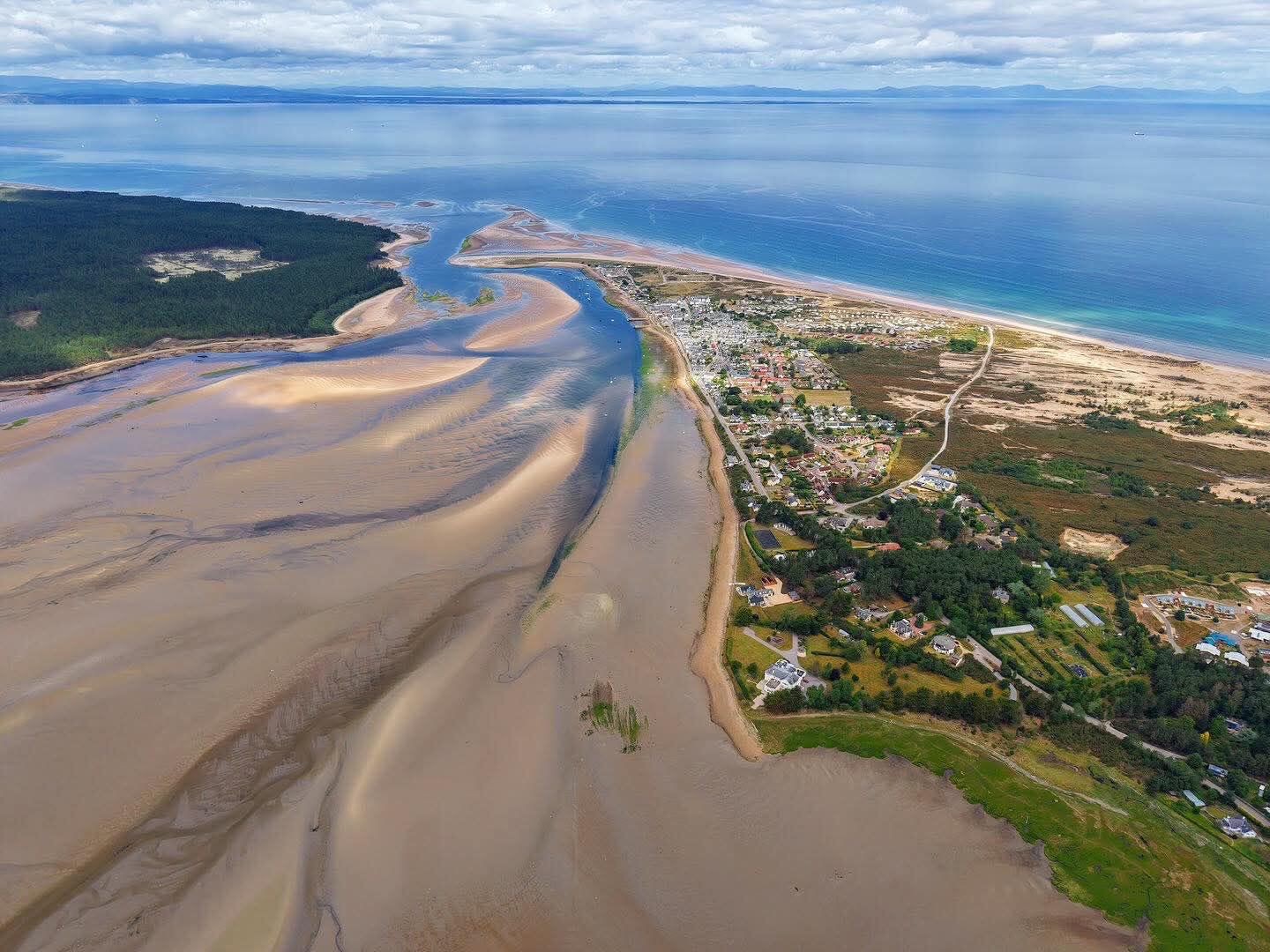
We are an RYA affiliated sailing club, based in the coastal village of Findhorn, the principal port of Moray in the 17th century.
We sail on the Moray Firth and in a tidal bay, fed by three rivers:
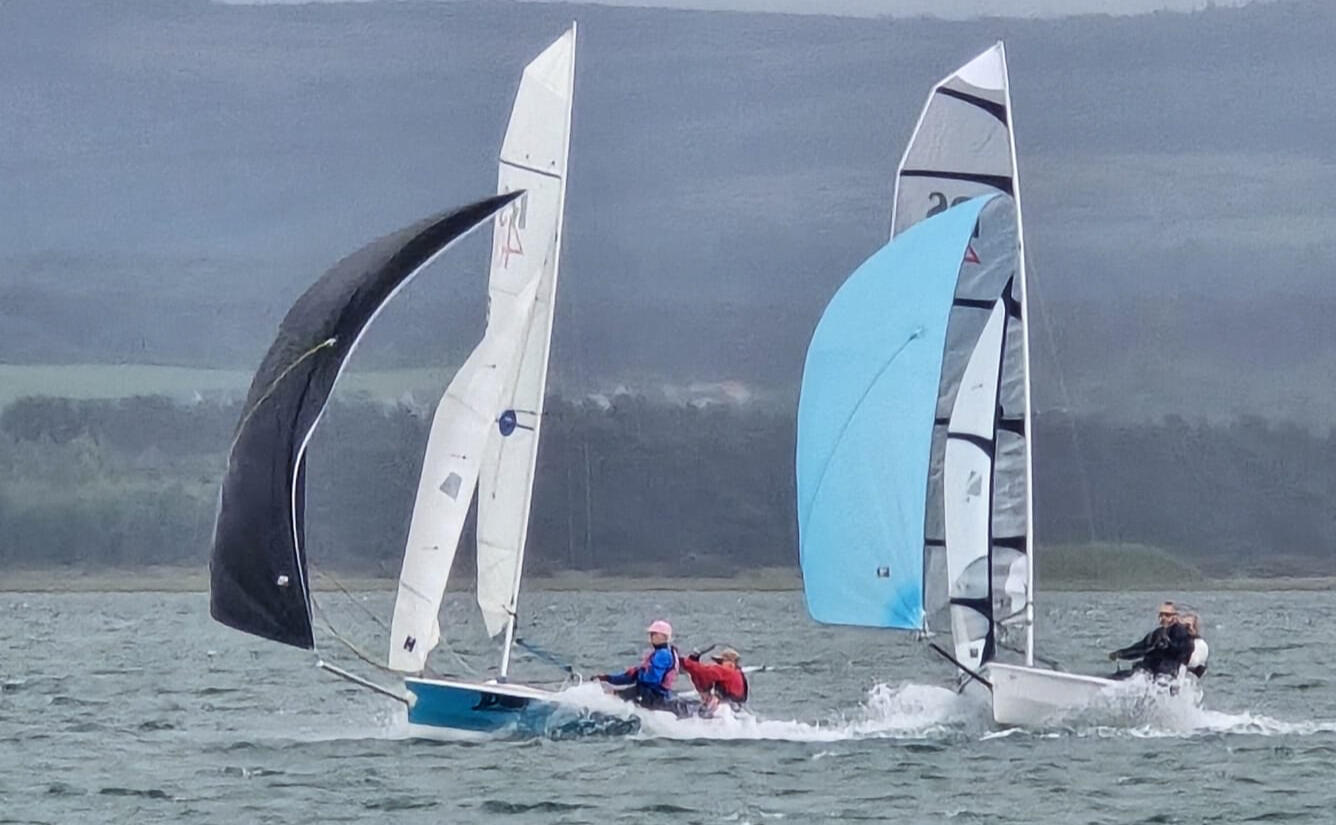
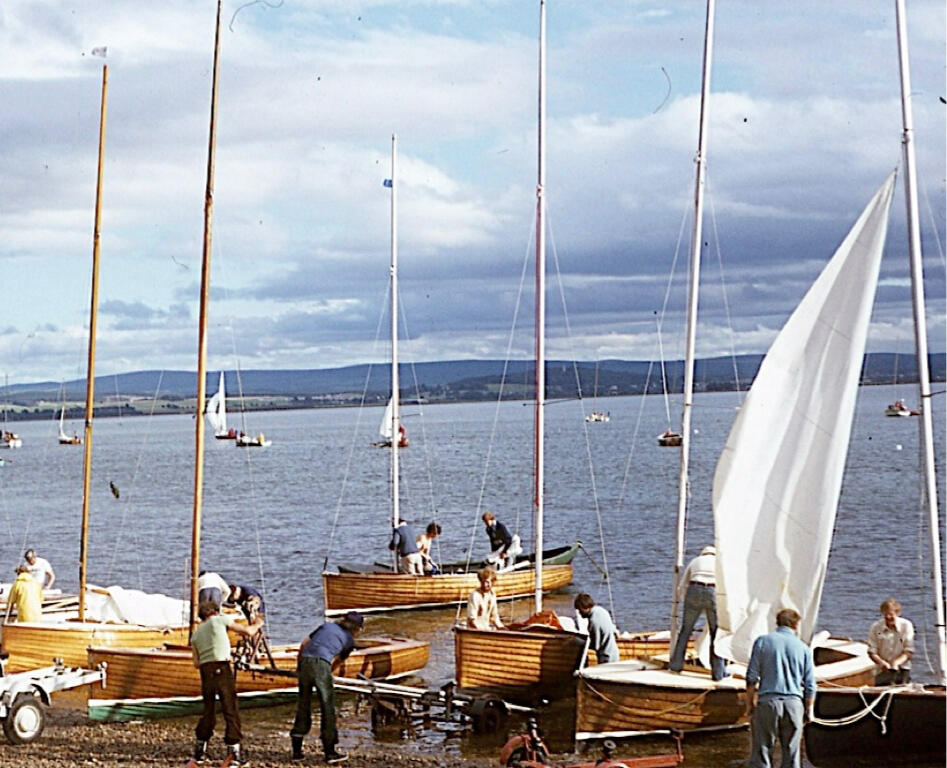
the Findhorn, the Mosset Burn and the Muckle Burn.Racing in Findhorn started in the early 1920s. The first class to be sailed regularly was the Lymington Scow, built in the south of England.By 1930, Findhorn X class boats were being designed and built locally. Eighteen foot long, they were the forerunner of today's three-man National 18 dinghy.Today a wide variety of dinghies are raced with a significant presence of-
• RS400
• RS200
• RS/Laser 2000
• RS AeroOther classes include-
• Hadron H2
• K1
• RS Feva
• RS Tera
• RS Vareo
• Streaker
• WetaA safety boat will always be in the water during racing and cadet sessions.In addition the club has a wide variety of boats for children and adults that members can hire.The Club's home is Findhorn House, a category B listed building dating back to 1775. Once home to James Chadwick, the first commodore, it remains the heart of the club today.Royal Findhorn Yacht Club was founded in 1929 in James' home.It was awarded a royal title in 1971.There are two Dinghy parks, two listed piers and a pontoon, from which Findhorn Watersports operates a Water Taxi.The club has three moorings for visiting yachts or temporary use. Permanent moorings are provided by FIndhorn Fairways Committee.Club branded clothing is available from Dallas Designs Ltd.To see what’s happening, on and off the water, follow us on Facebook.
Sailing Programme
Follow the Link above for the Sailing Programme, including High Water times.
Racing occurs at the weekends from April to October.
• Two races will be run at each Event, except for pursuit races when only one race will occur.
• All races sailed count towards club series.
• There will be three series- a Spring Series, a Summer Series, and an Overall Series.Trophies
• Events will also be utilised to award Trophies.
• Where there is an age criteria, this is the sailor’s age that year on 31st October.
Duties
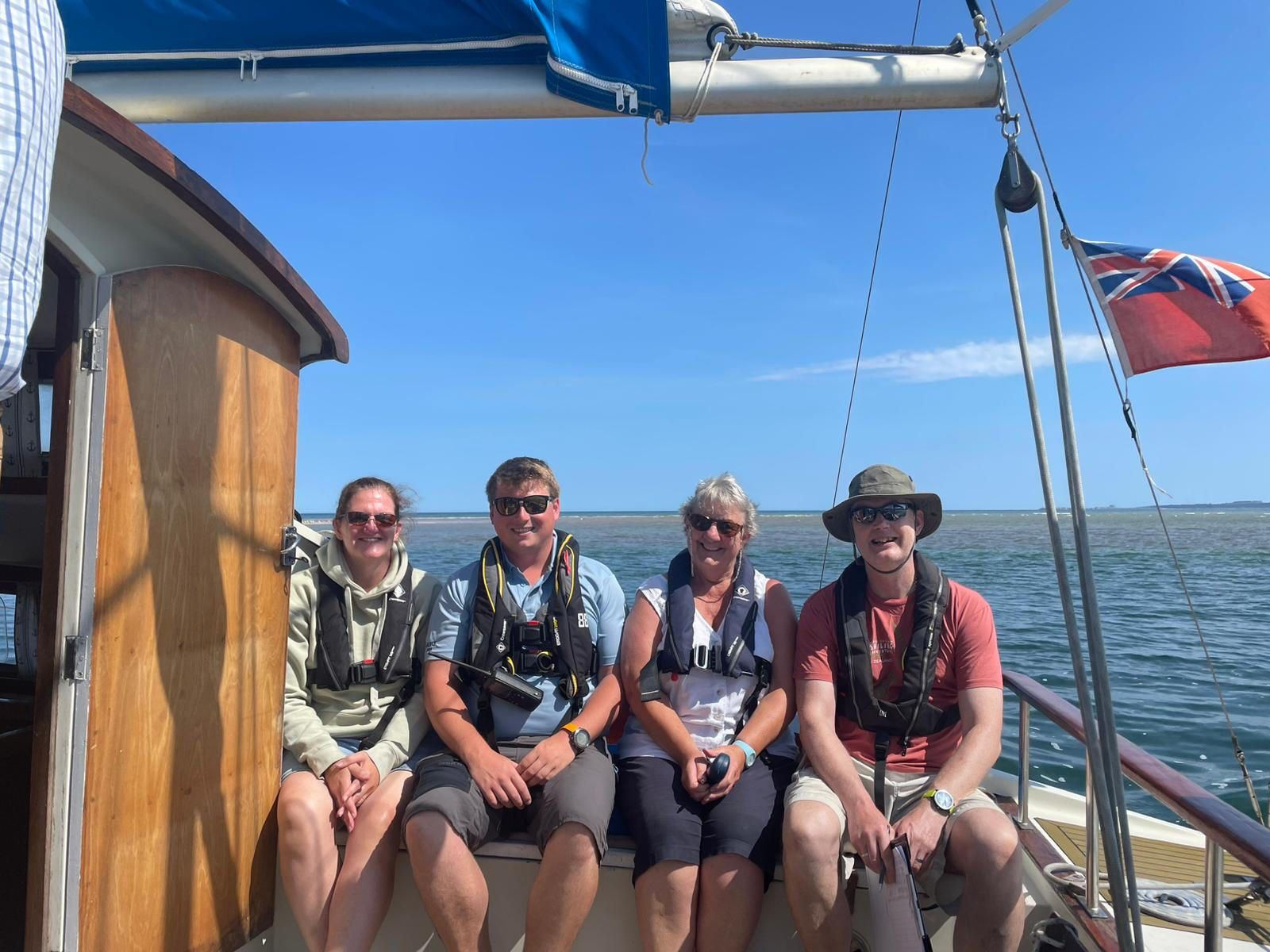
Members undertake two race duties per year, volunteering either as a Race Officer or manning a Safety Boat.Dutyman
Duties are self-selected on Dutyman, our online rota system.Use the Dutyman Calendar Feed link to synchronise events on Dutyman to your smartphone calendar .To view the table below on a mobile phone, turn the phone horizontally.
Findhorn Watersports
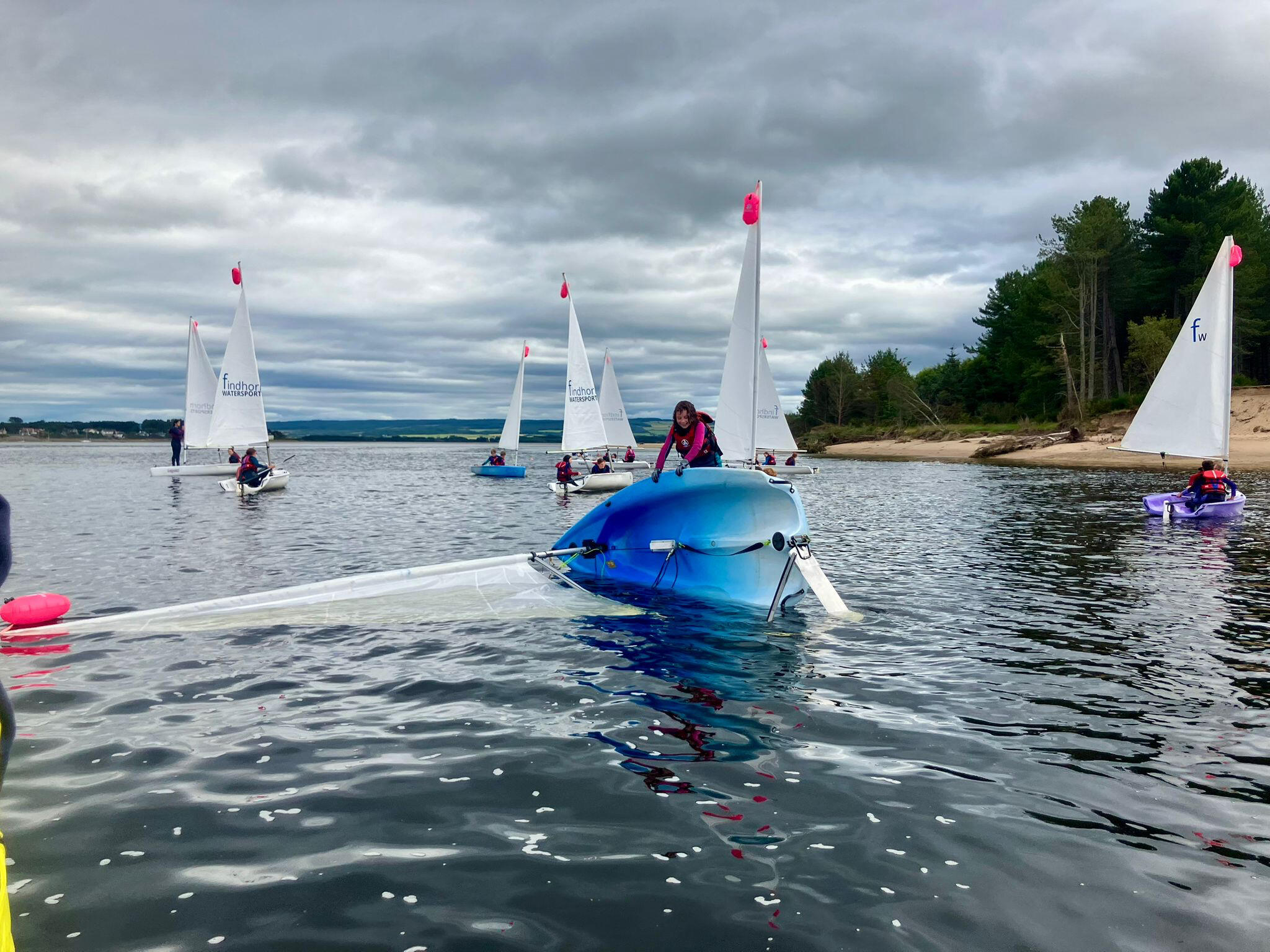
Findhorn Watersports, is an independent sailing school operating from within the footprint of RFYC. It was launched in February 2024 and is owned and run by Jane and Niall Campbell Morrison.Long-time lovers of Findhorn, Jane and Niall are passionate about helping the local community, and visitors, get out on the water and experience the beauty of Findhorn Bay.The School is:
• RYA Recognised
• RYA OnBoard Accredited
• RYA Sailability Accredited
• An Approved Provider for Moray Council.
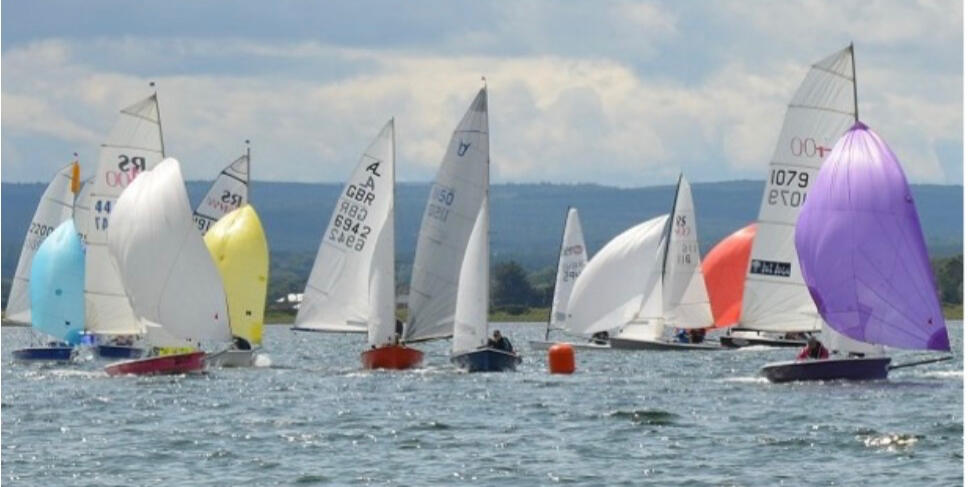
This year the club is running three exciting events
| Event | Date |
|---|---|
| Findhorn Regatta | 16th-17th May 2026 |
| Cadet Week | 6th-10th July 2026 |
| Findhorn Week | 13th-17th July 2026 |
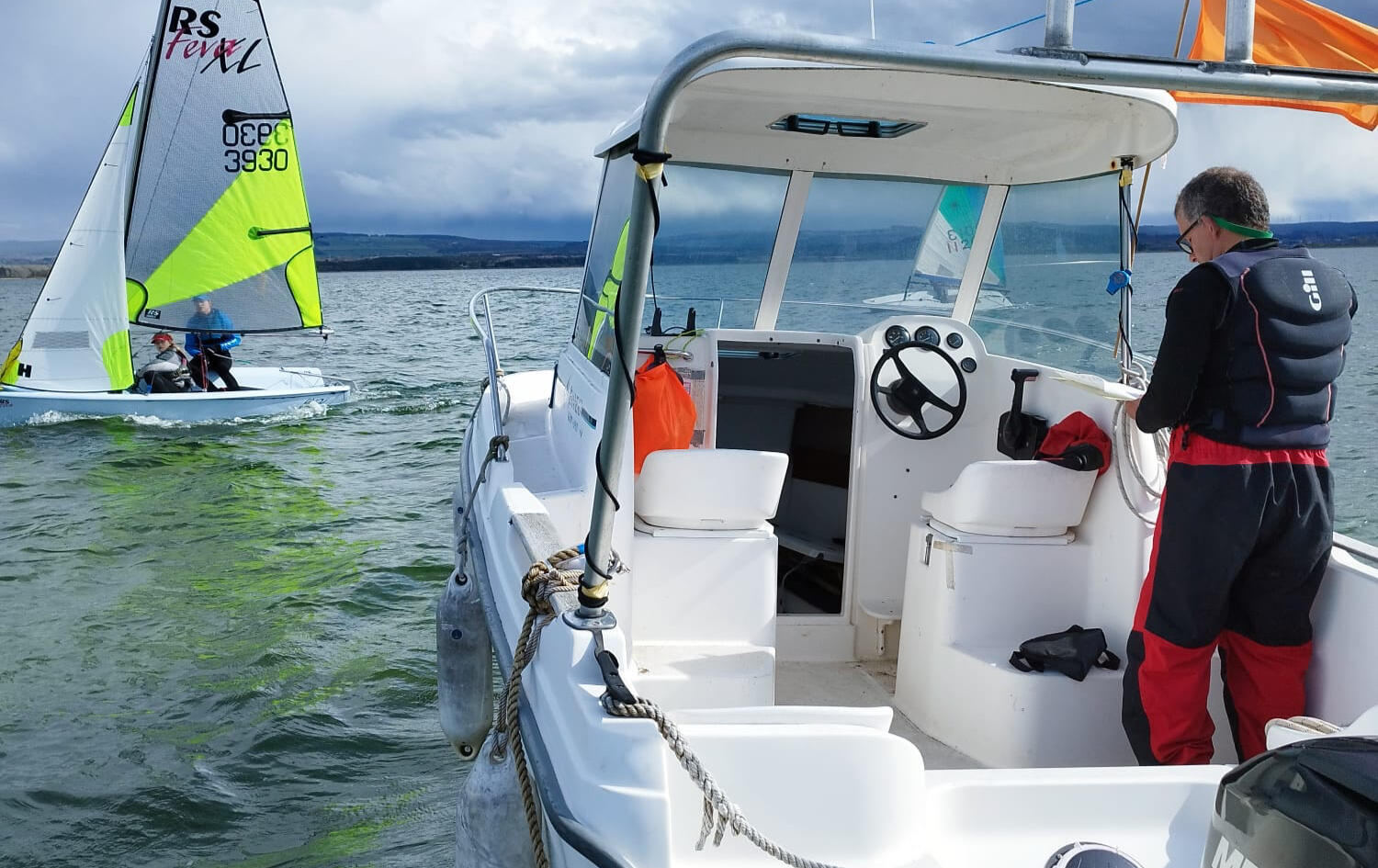
The club welcomes people of any age from any background.While our name honours our heritage, our passion lies in encouraging people into sailing.If you'd like to know more about the club or have any questions, we'd love to hear from you.
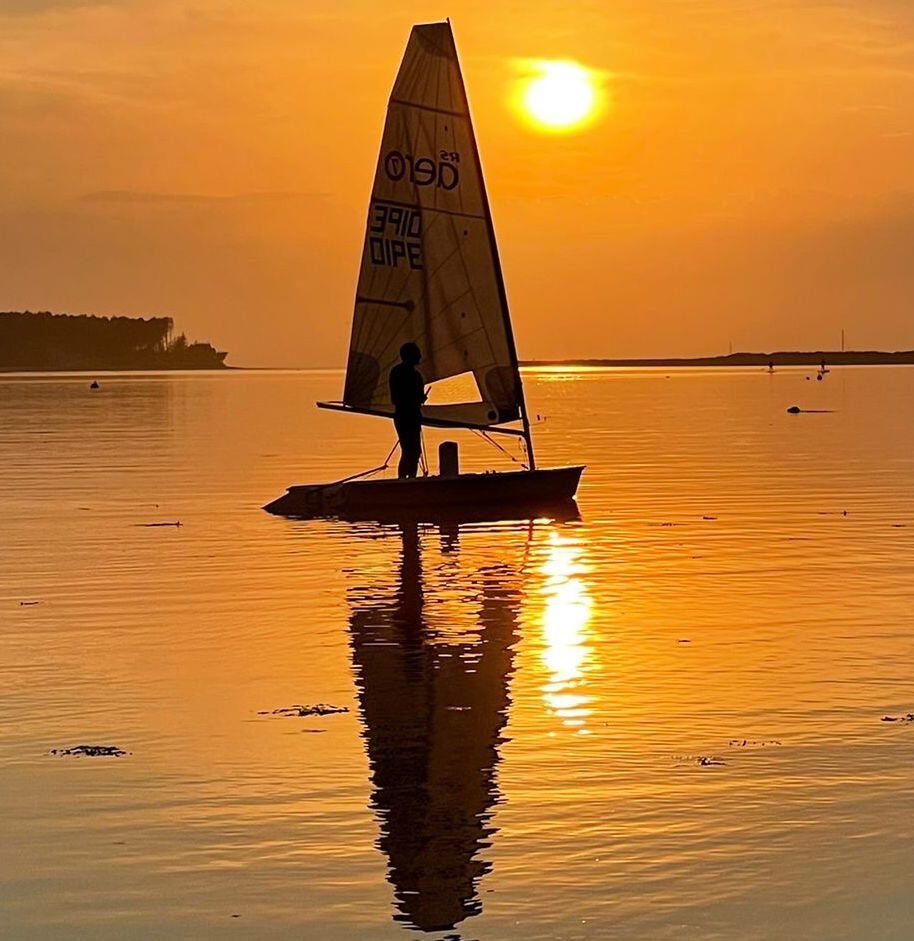
Whether you're looking to get out on the water or enjoy the social side of club life at Findhorn House, we’d be delighted to welcome youThere is no waiting list and no selection process – just a shared expectation that all members treat one another with kindness and respect.We offer a range of memberships to suit different needs:
• Adult Membership – for individuals
• Family Membership – for households wanting to enjoy the club together
• Junior Membership – for children who are members in their own right, sponsored by a non-member adult
• Holiday Membership – a 2 week membership, ideal for holidaymakers in Findhorn or the surrounding area.Subject to capacity, non-members may store their boats or kayaks in the dinghy parks for a fee.
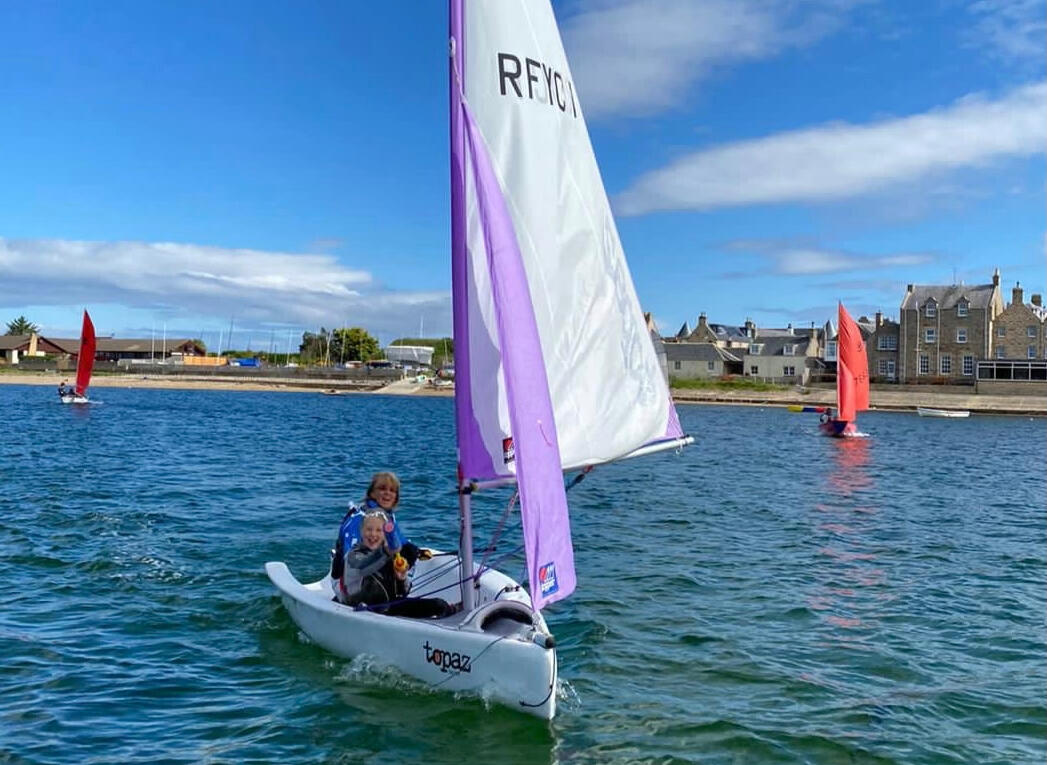
The club has thirteen sailing boats available for members to use.
• 1 RS400
• 1 Topas Omega
• 1 TopperSports 15
• 5 RS Teras
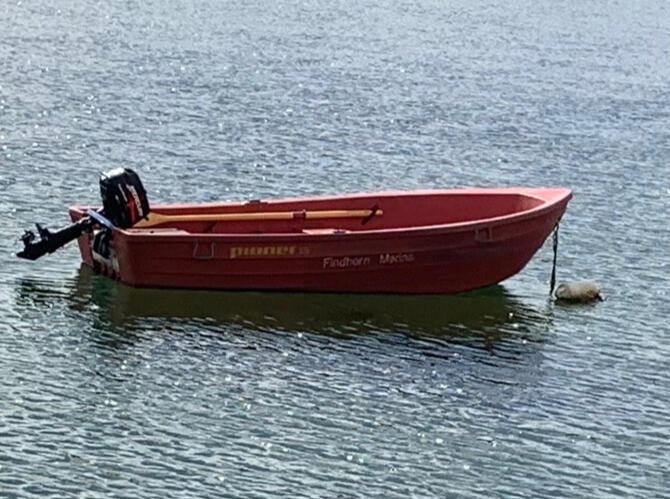
• 5 Topaz dinghiesThere is also a Punt that may be used by members out with racing.To access these boats, please ask Niall, the Rear Commodore.
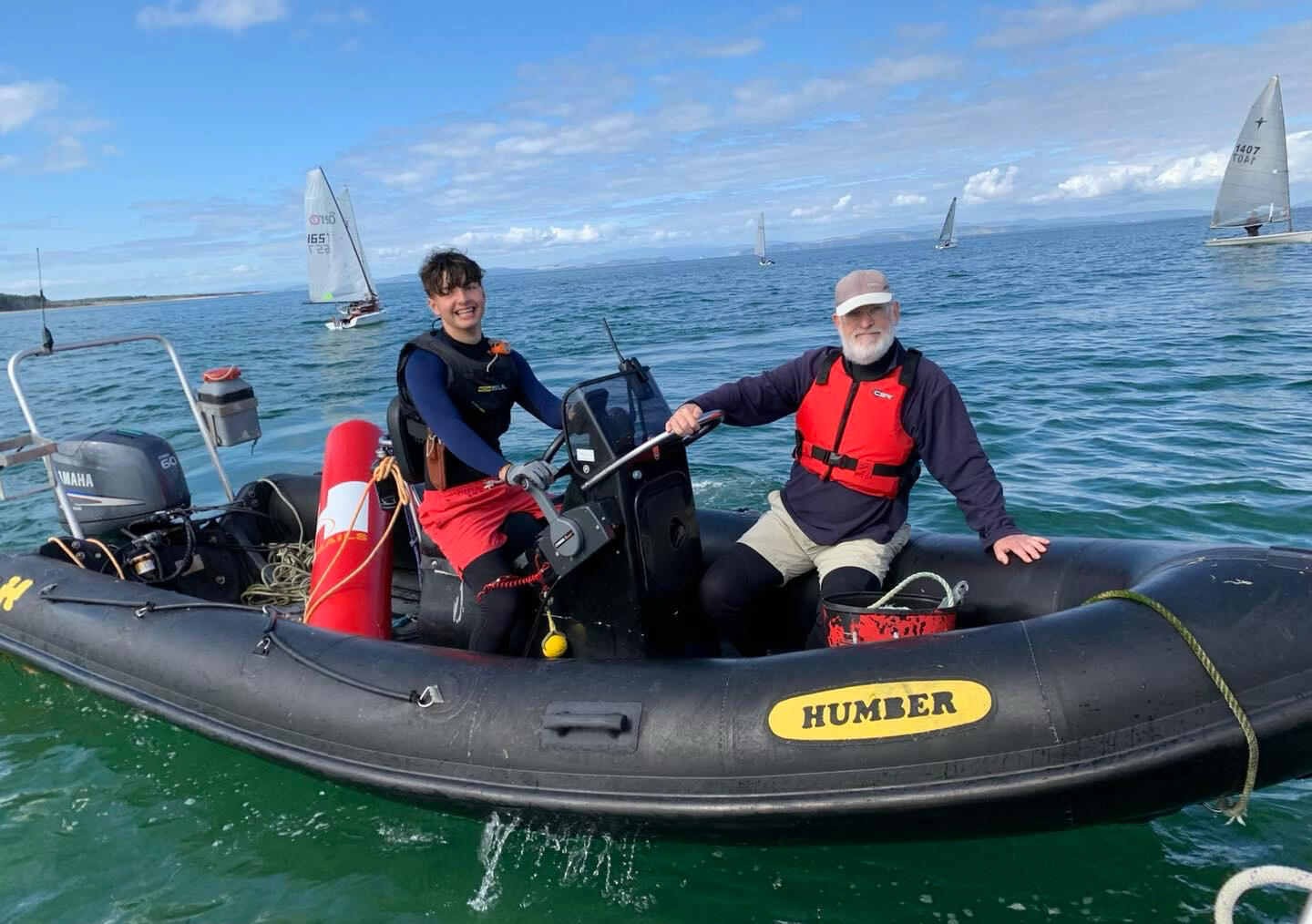
During racing, the club Safety Boat will lay course marks and provide assistance, as needed, to sailors on the water.
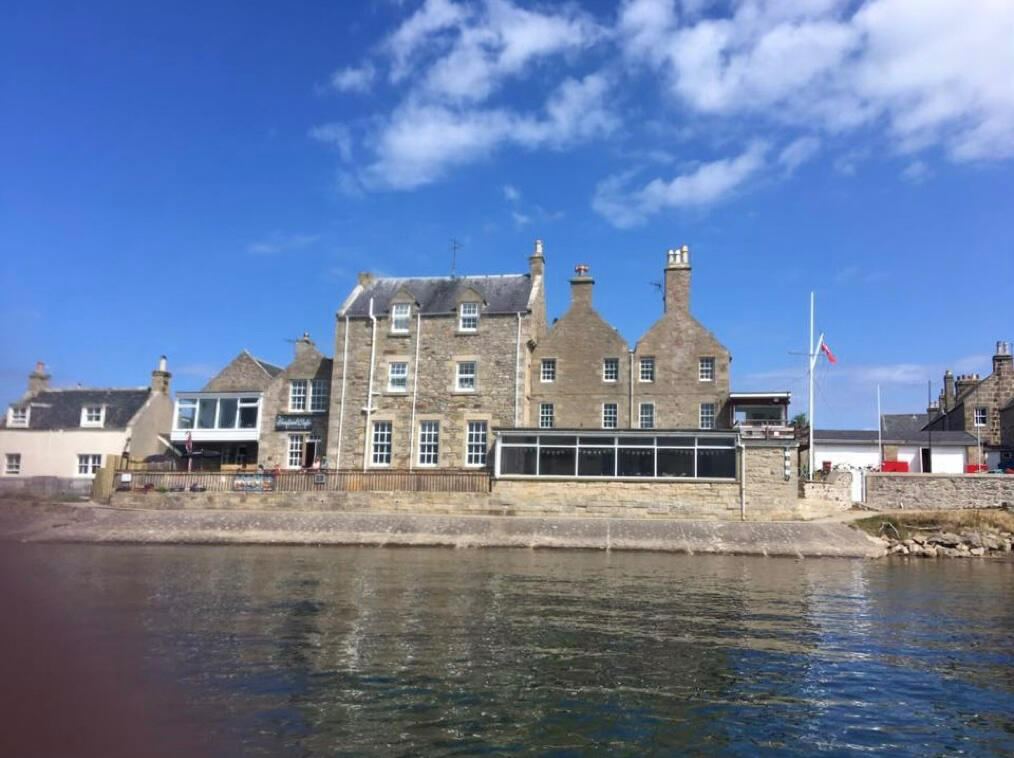
The Club House has extensive facilities including:
• Bar
• Coffee bar
• Verandah
• Long room
• Games room
• Training room
• Changing rooms
• Garden with outdoor seating
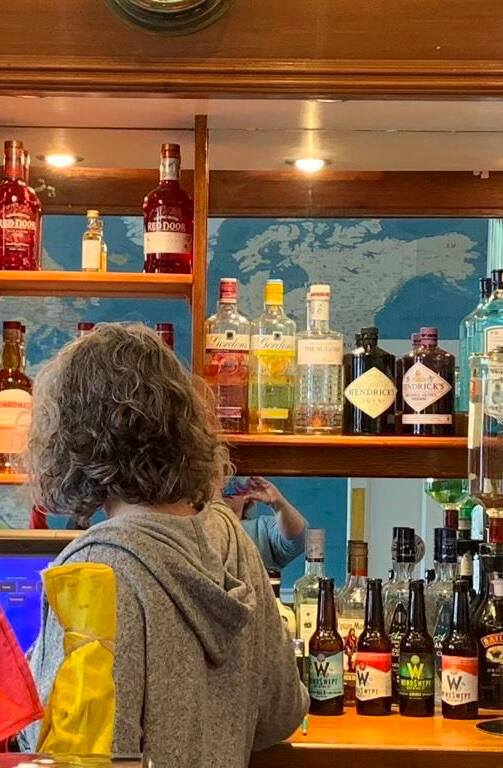
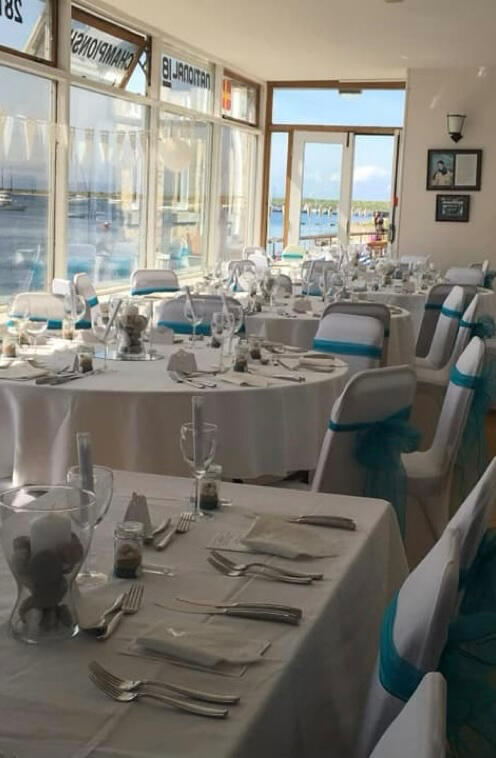
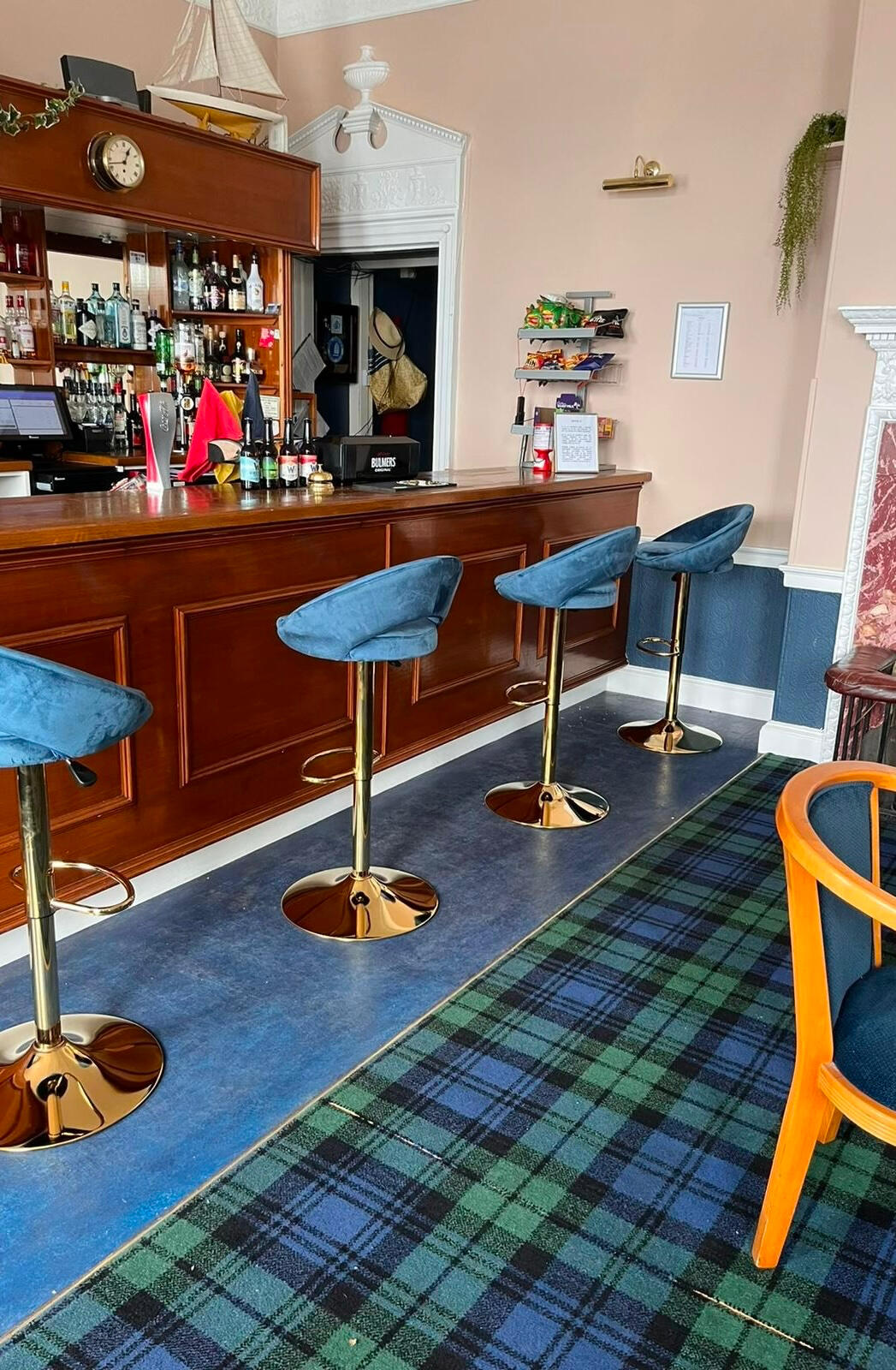
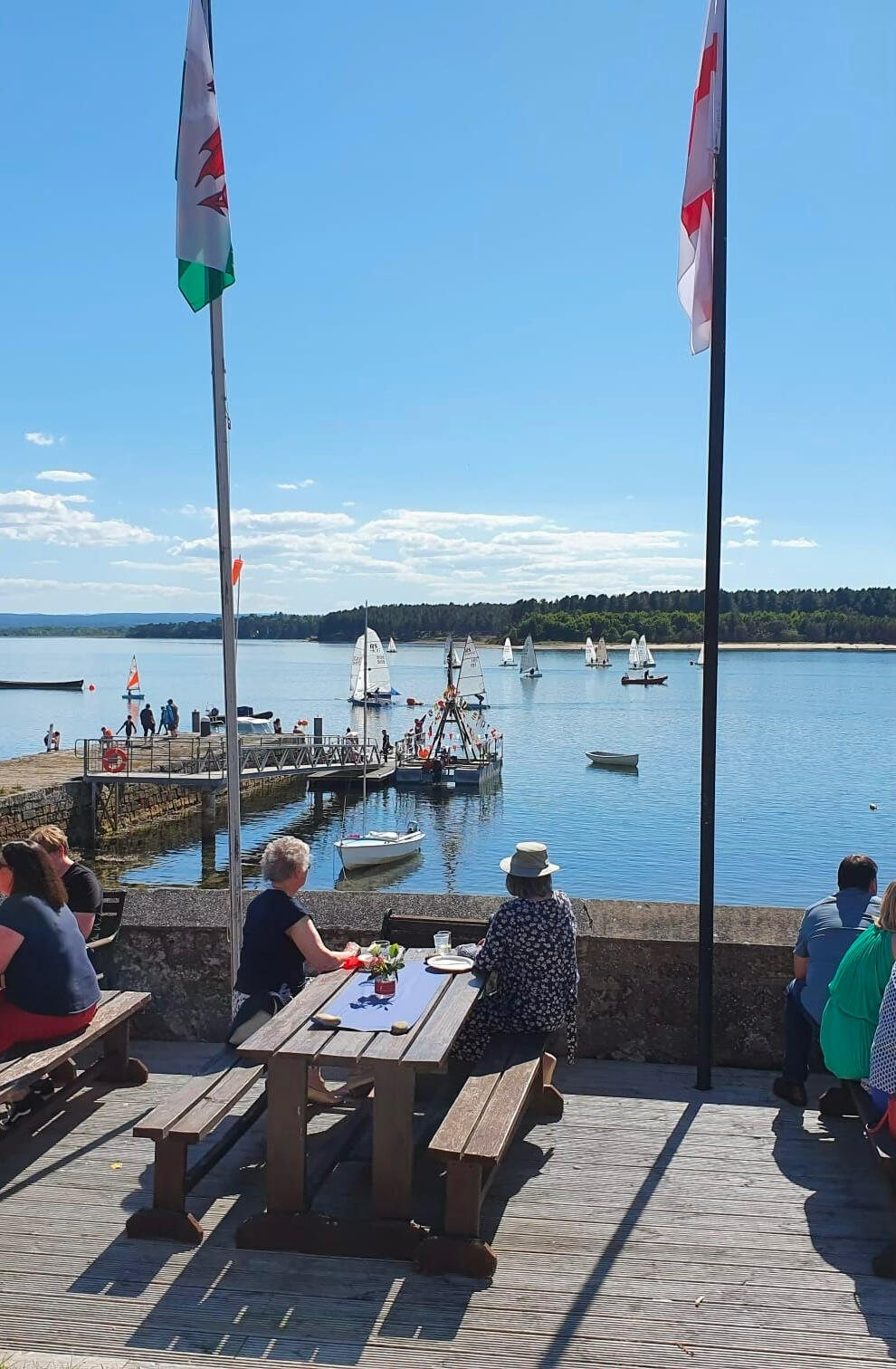
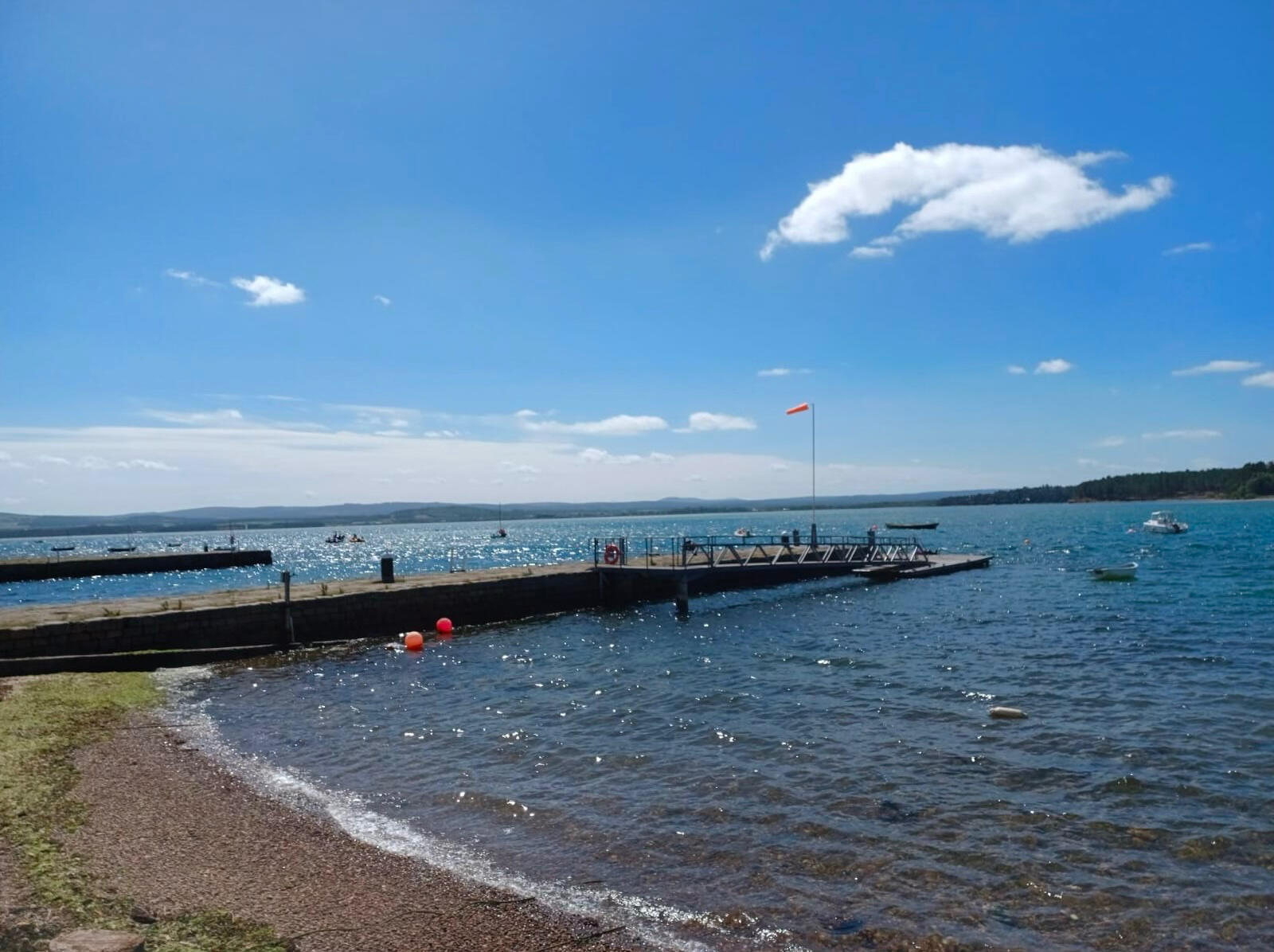
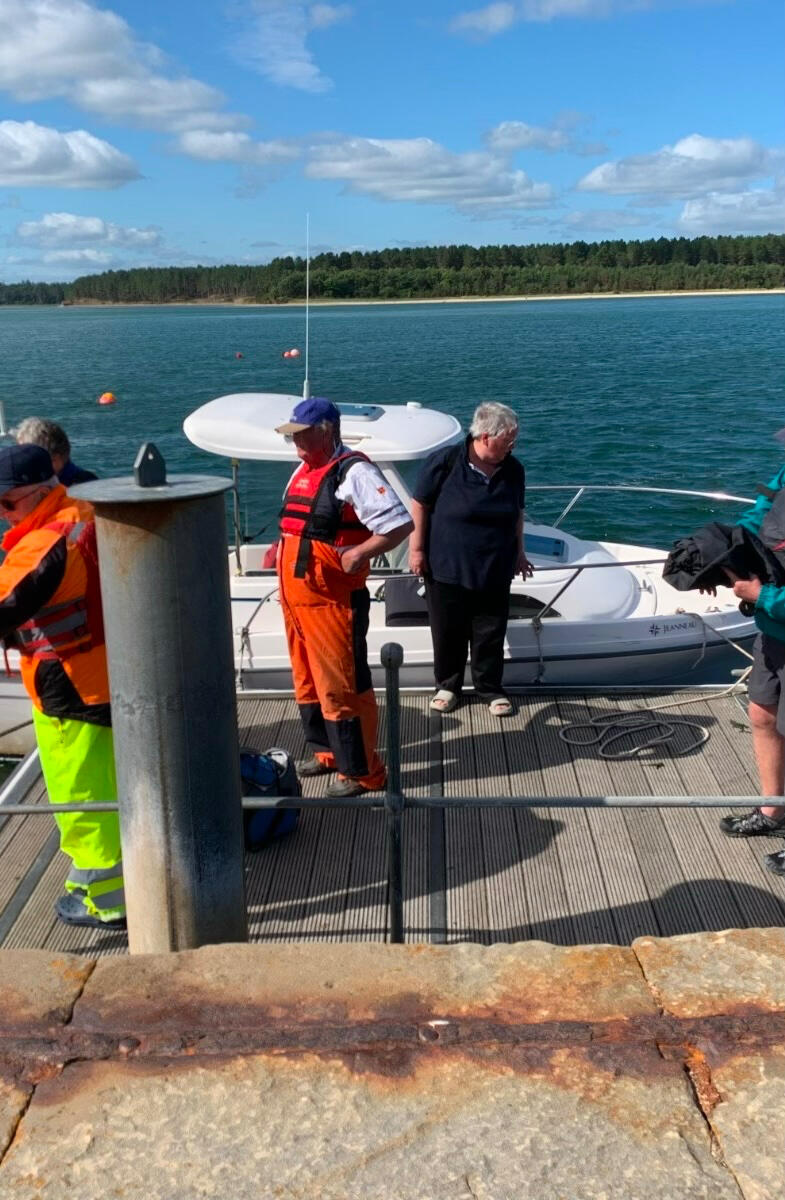
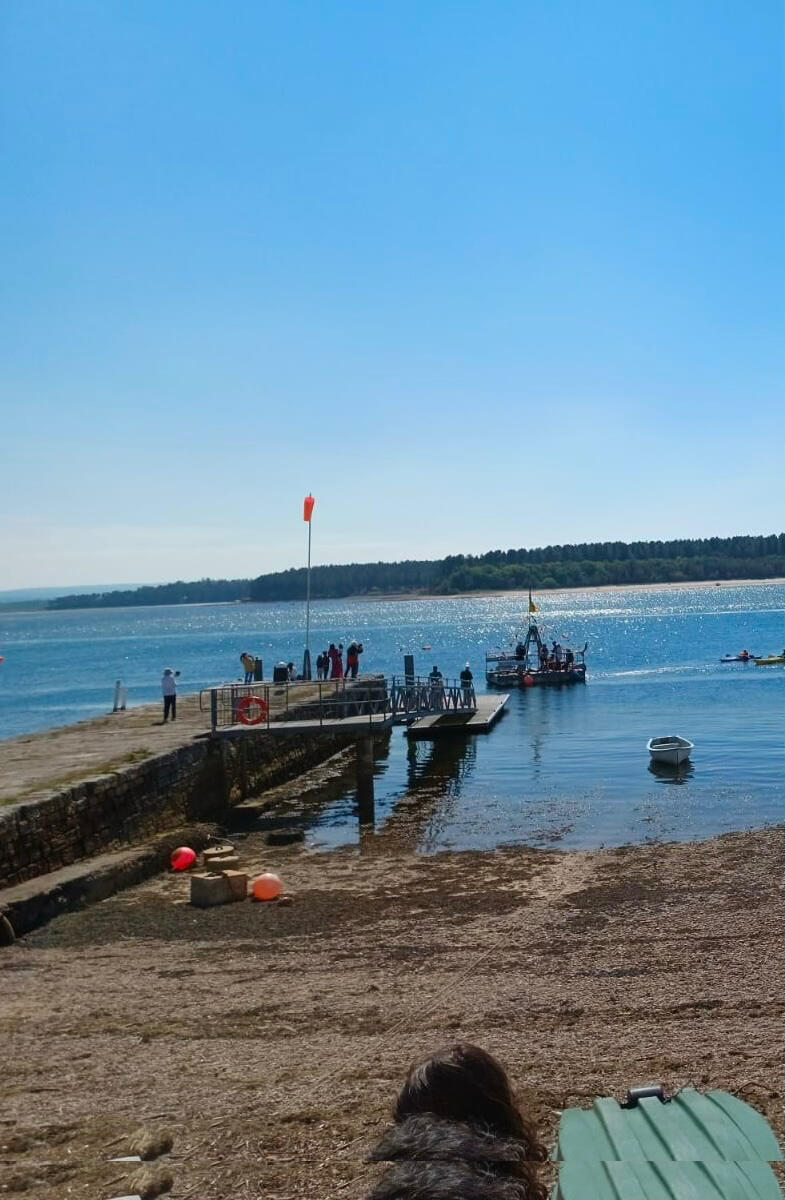
The club owns two adjacent listed piers. The northern pier has an electric hookup, water supply and a pontoon for easy access to dinghies, safety boats, and yachts.There are three dedicated visitor moorings just north of the piers.
Members wishing to moor a yacht for the duration of the season should contact the Fairways Committee.FIndhorn Watersports Taxi operates from the northern pontoon servicing
• Passengers to and from Culbin Forest on the western shore of the bay.
• Sailors to and from their boats on the moorings.
South Dinghy Park
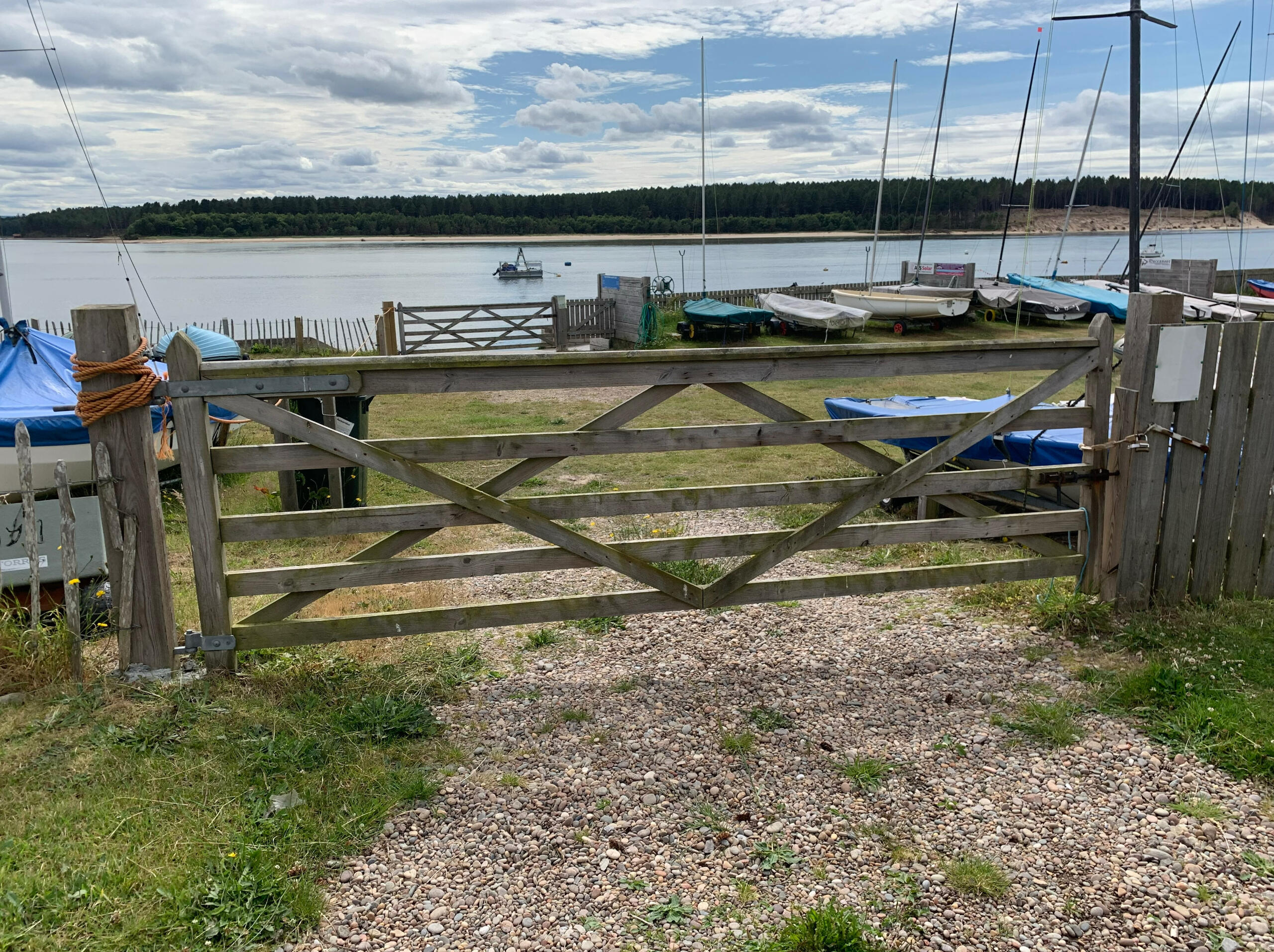
• Closest to the club
* Short steep slipway– ideal for club racing when there is plenty of help at hand.
North Dinghy Park
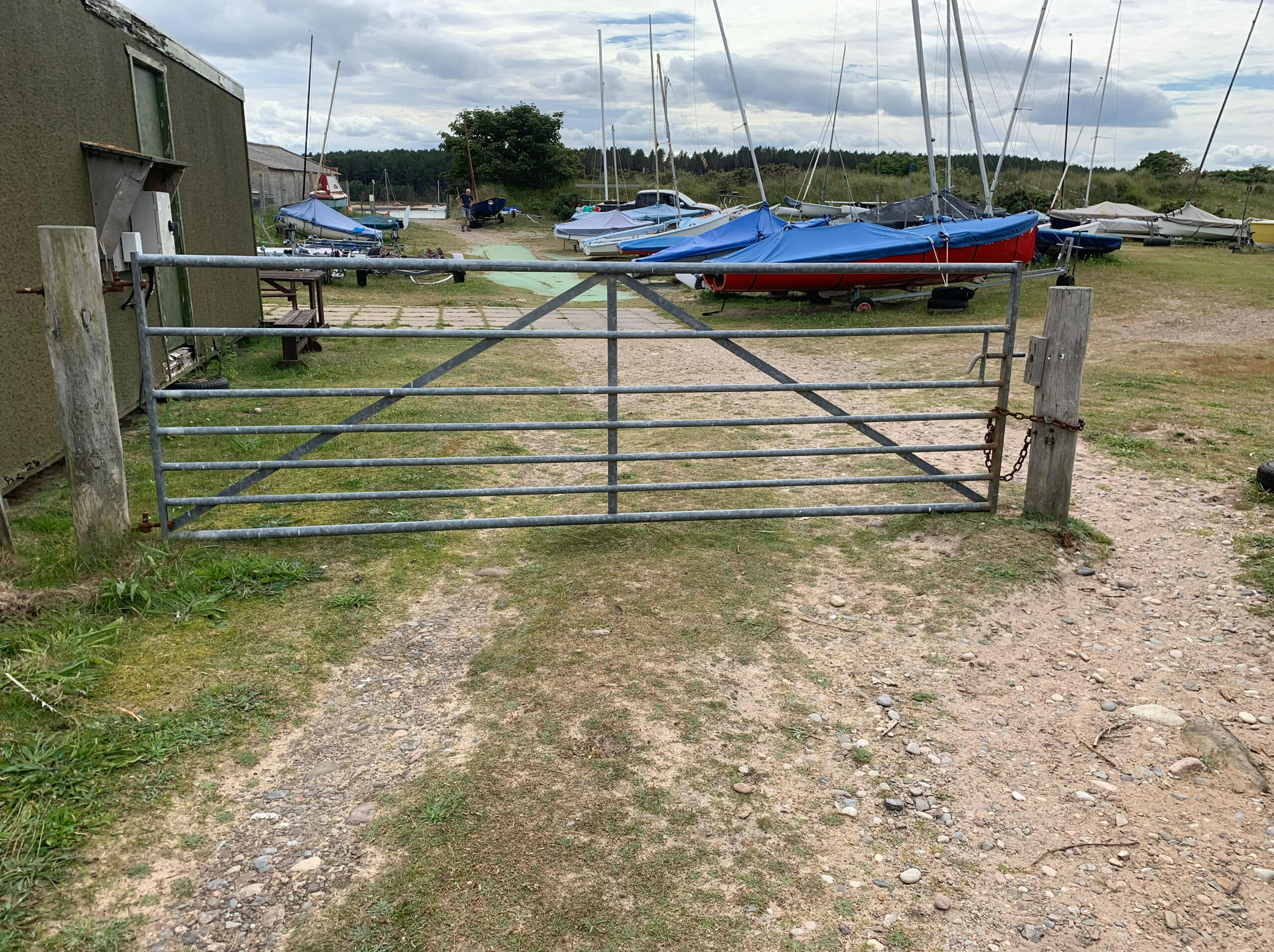
• Quieter and away from the village
• Gentle sloping slipway– Ideal for recreational midweek and evening sailing.
Cadet Week 6th-10th July 2026
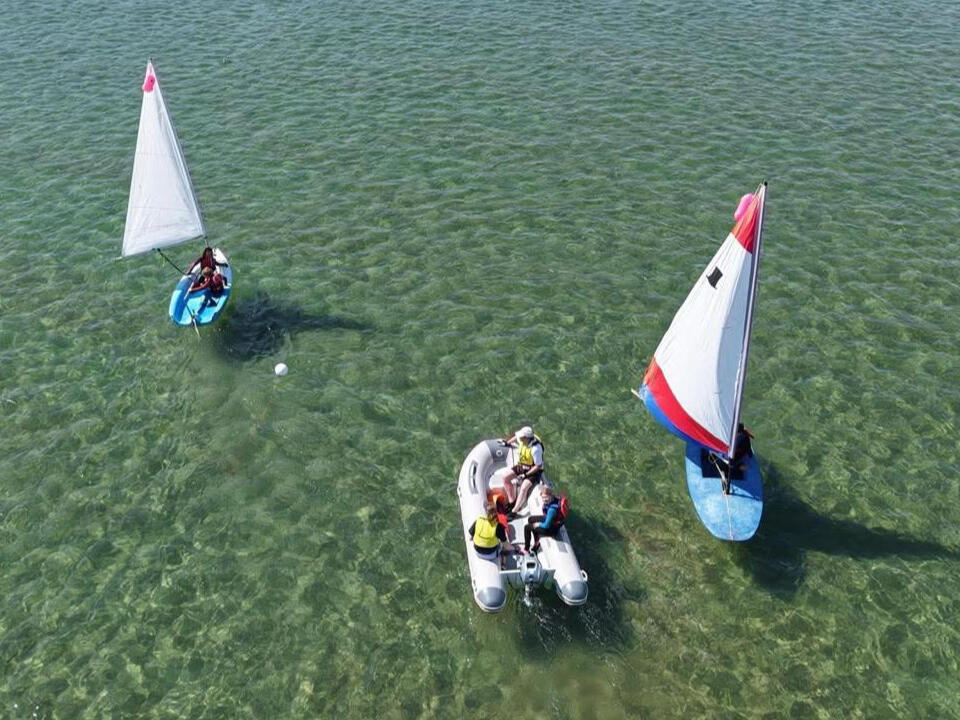
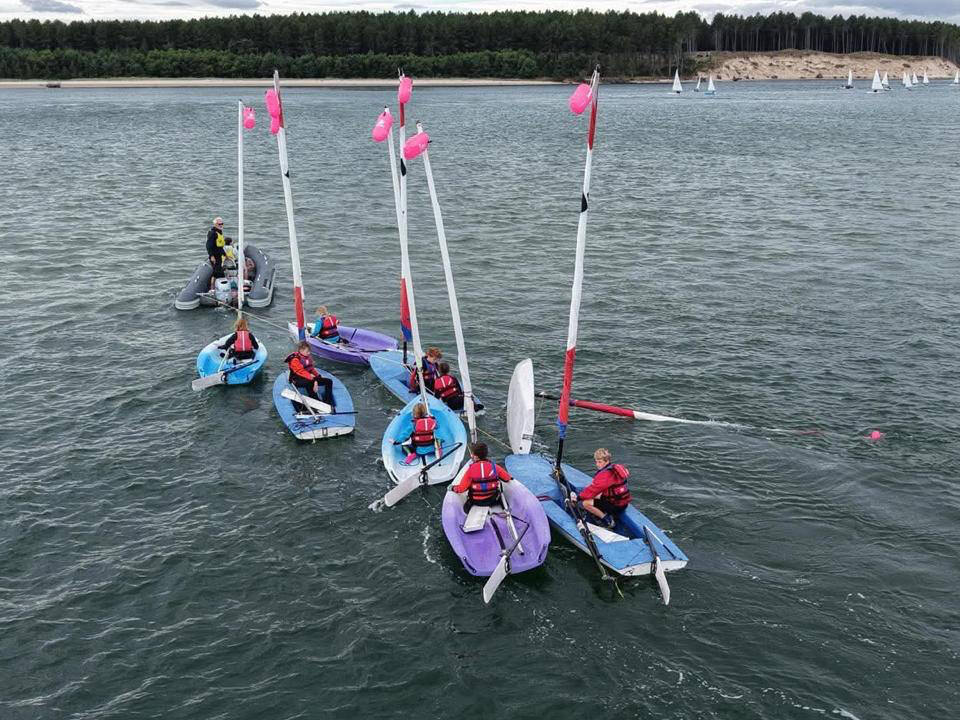
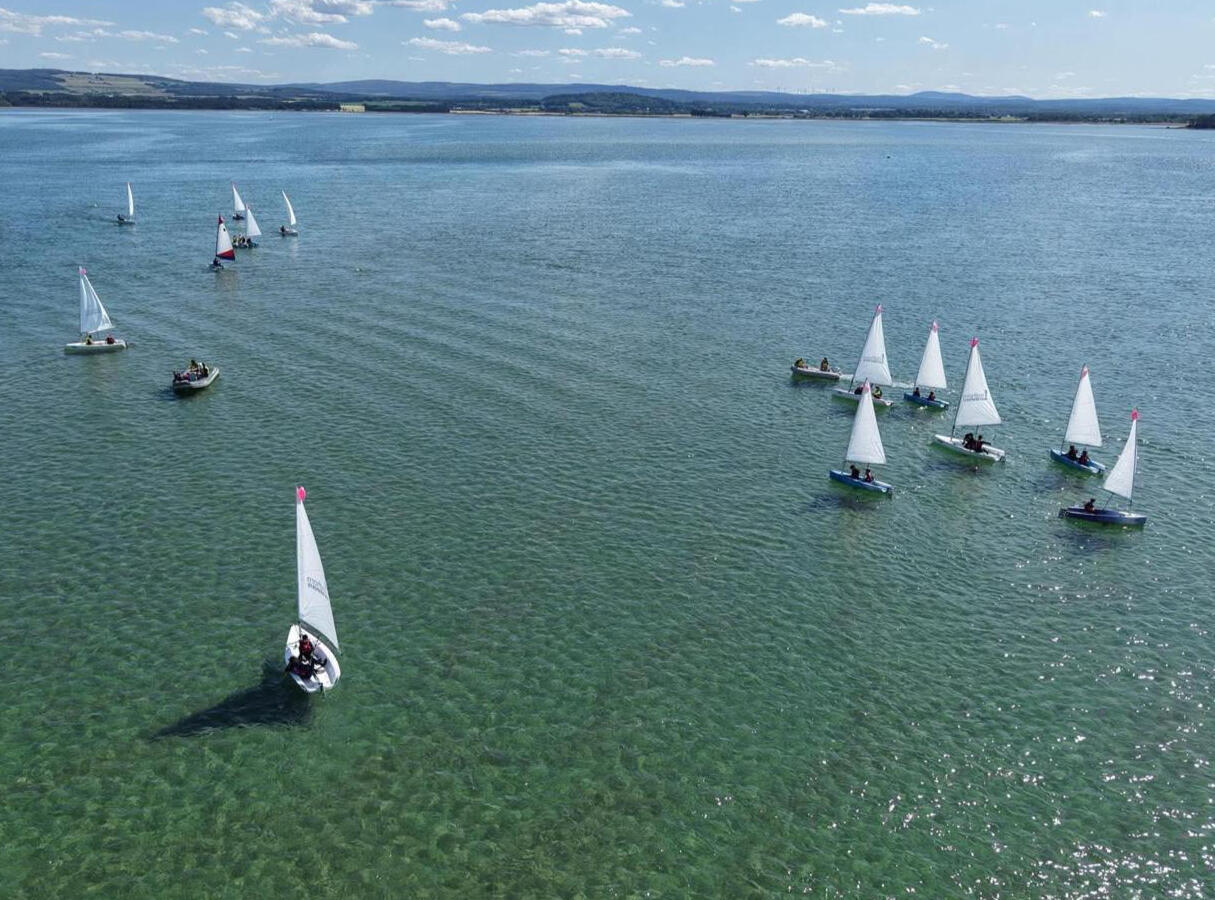
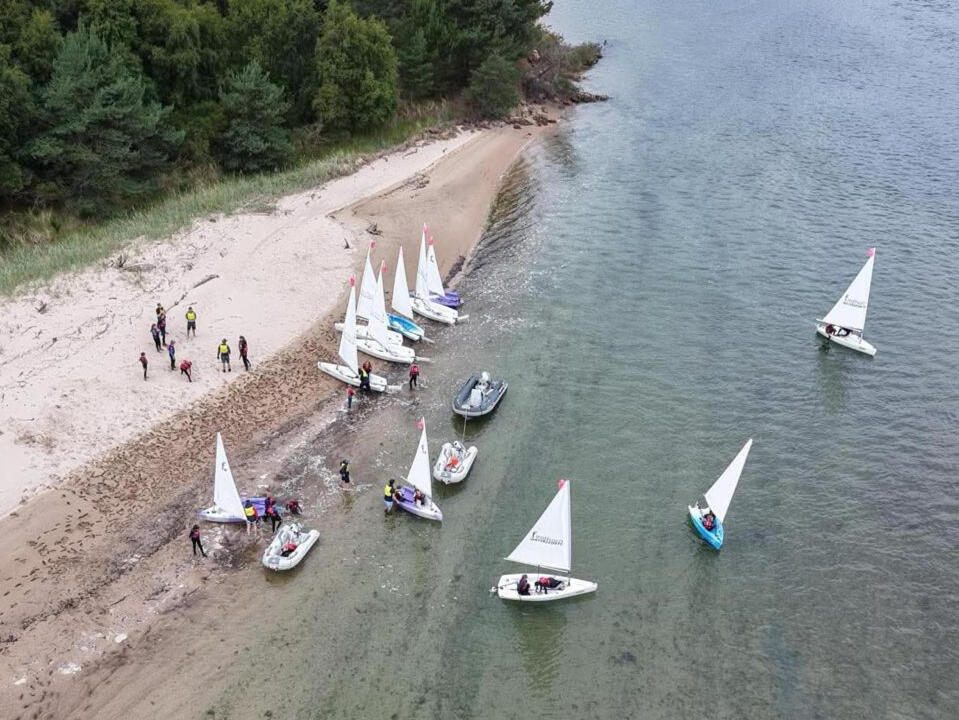
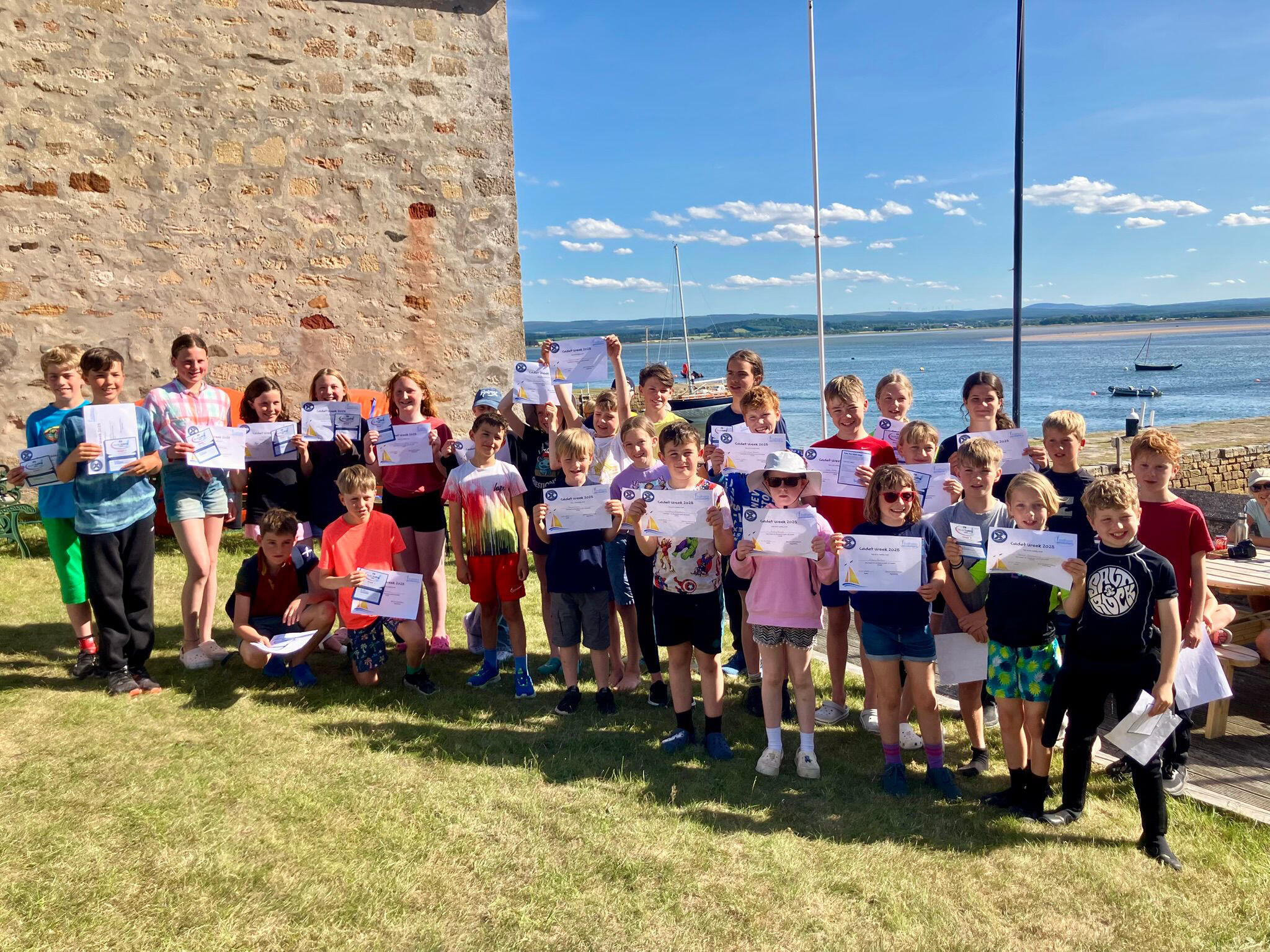
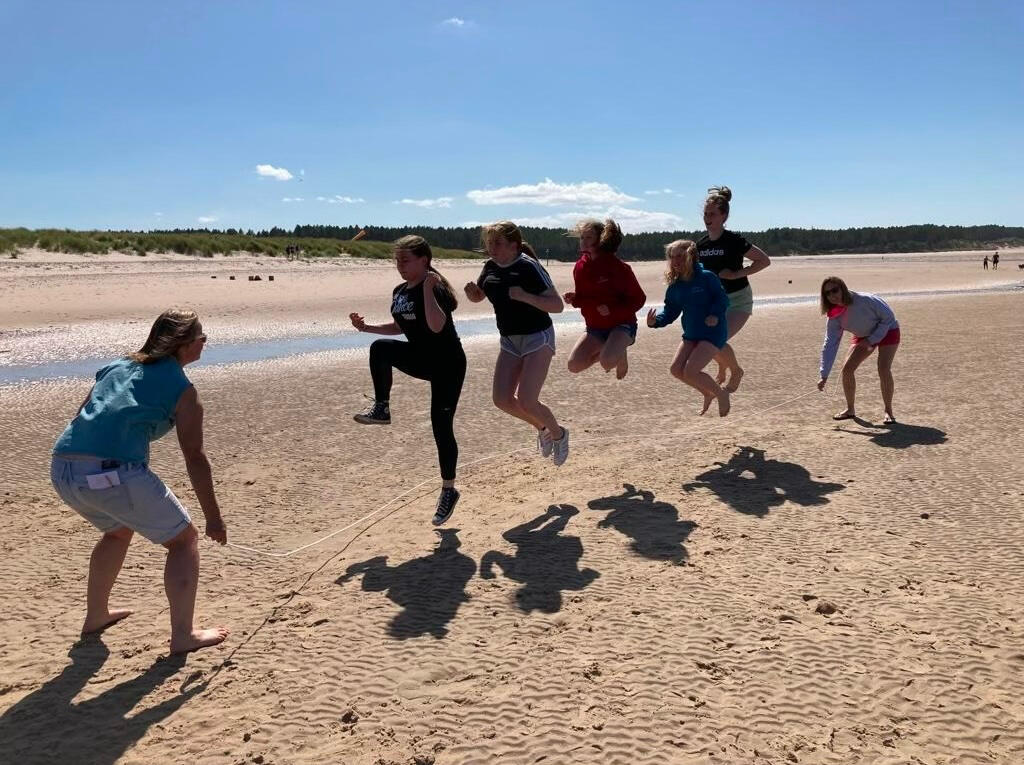
Cadet week is organised on the club's behalf by Findhorn Watersports.
Participation requires Junior Membership, as the cost is subsidised by the club.
Places are offered first to existing junior members before being opened to others.
Findhorn Regatta 16th-17th May 2026
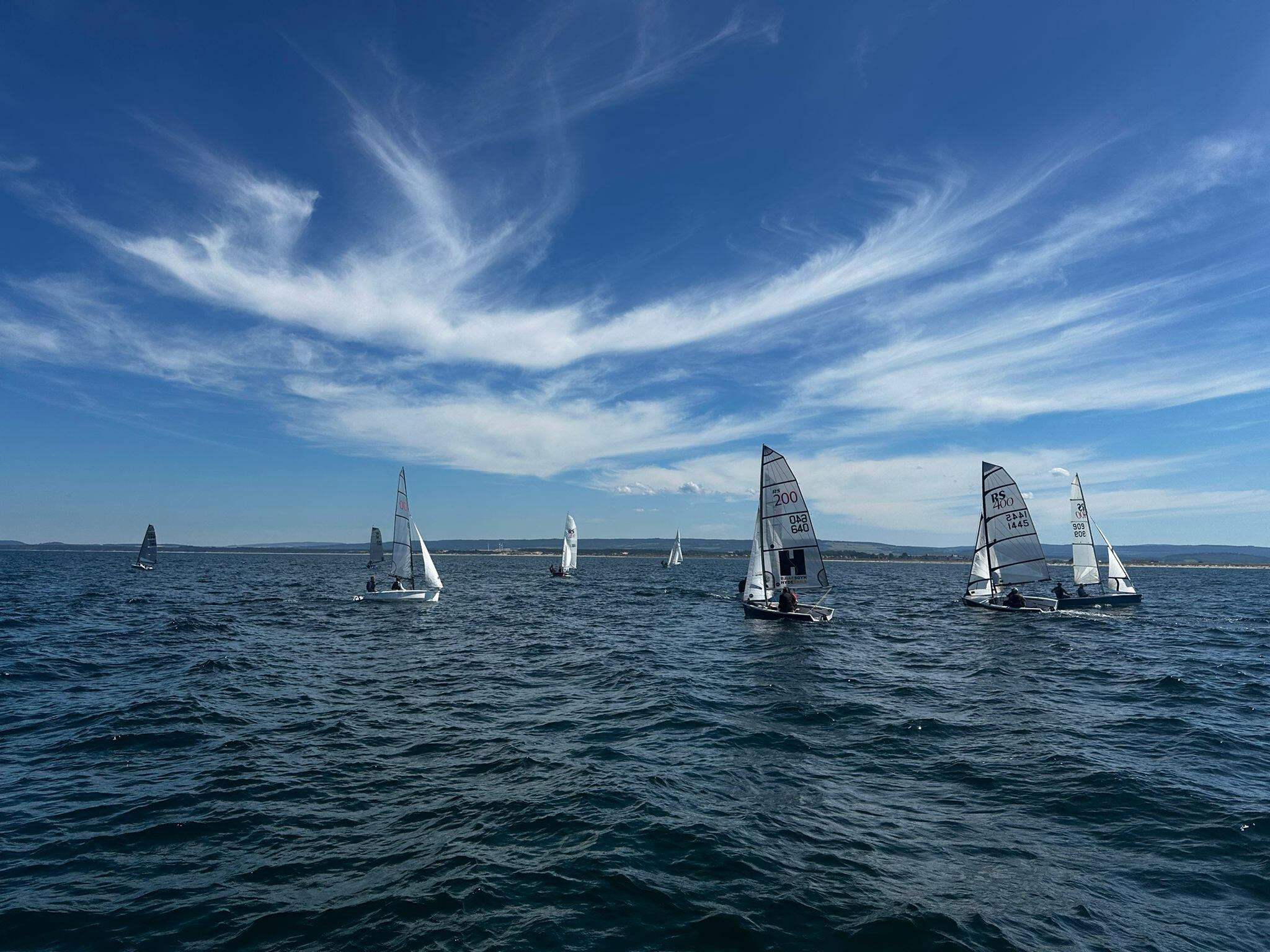
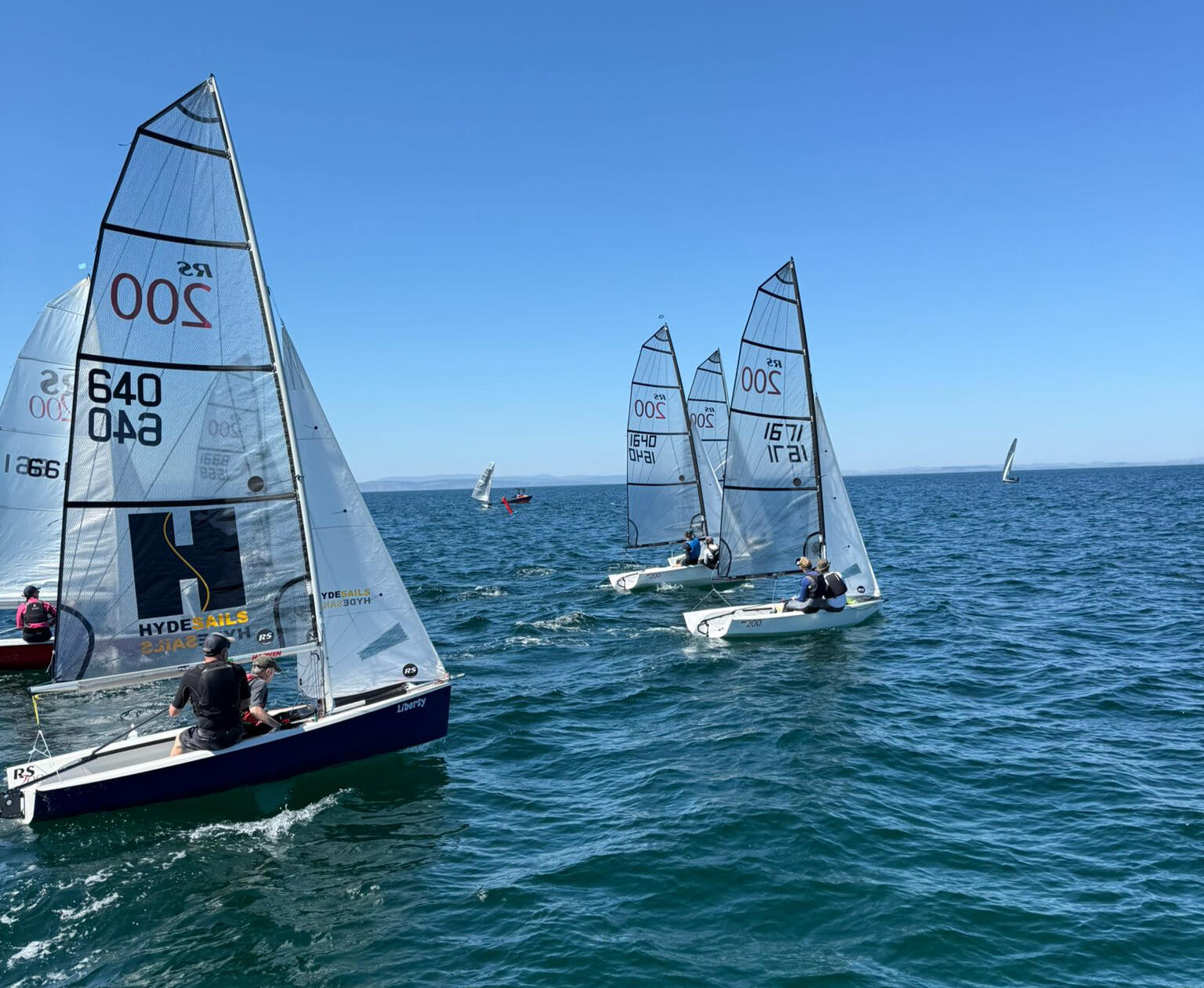
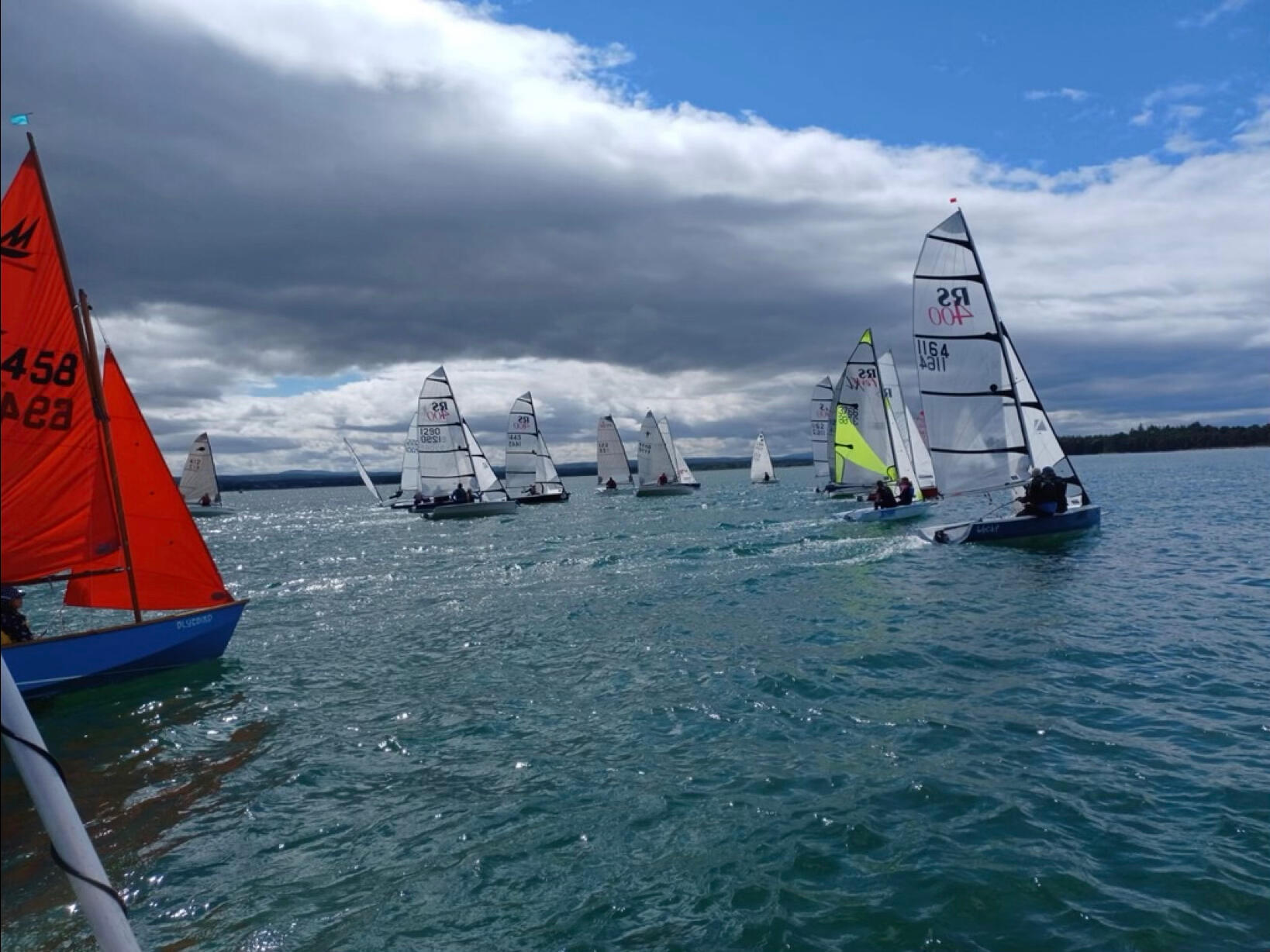
The regatta takes place on the Firth for boats with a fast handicap, and in the bay for those with a slow handicap.
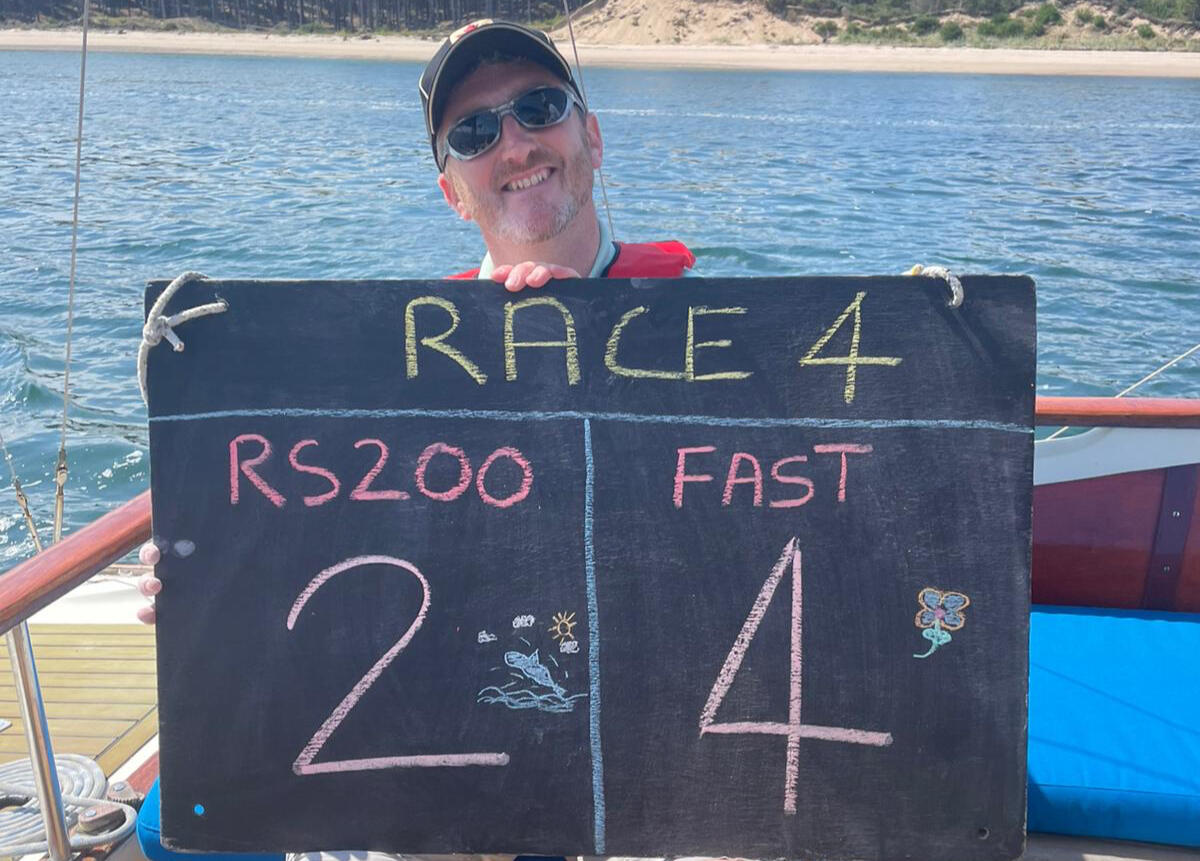
The Regatta often incorporates a traveller event such as the RS200s.
Findhorn Week 13th-17th July 2026
Findhorn week offers daily racing for travellers and members' in the bay Monday to Friday.
There is an active family-friendly social scene each day.
Many competitors from the Regatta stay on for Findhorn Week, if it follows straight after, creating seven days of racing in a holiday setting.

If you're viewing this page on your mobile, turning your phone horizontally may help you view the table below.
Alternatively press on the table and swipe left.Solutions For Common Issues –
| Issue | Solution | How | Note |
|---|---|---|---|
| I want to know what's going on | Join the RFYCNews WhatsApp Group and/or make sure we have an uptodate email address for you on WebCollect, so we can send you updates by email | Contact Sarah Ward to sort this for you | Click on the button below to email Sarah |
| I want a print out of this year's sailing programme | Print out the Sailing Programme | Click on the button below and print a copy from your computer | Some printed copies will be available in the Club House |
| I want help selecting my Sailing duties for this year's season | Identify some suitable dates in the Diary and email Niall | Click on the button below to email Niall | Let Niall know soon to prevent the dates being taken by or given to someone else |
| I want help to renew my membership, enter the Regatta, enter Findhorn Week, enter a child for Cadet Week | This is done on WebCollect | Contact Sarah to help you with this | Click on the button below to email Sarah |
Duties
If you are a Sailing Member, 14 years old or older, you are asked to undertake two sailing duties every year.You can choose from:
• Race Officer
• Race Officer Assistant (no experience required)
• Safety Boat Cox (RYA Powerboat Level2/similar experience required)
• Safety Boat Crew (able to help someone out of the water)Sailing Duties are a fun and a great way to improve your sailing and racing skills.
From the Committee Boat–
• Observe who makes the best start and how they go about it.
• Watch boats beating to windward- who got to the windward mark first and did they do it.
From the Safety Boat you can get up close–
• Follow boats around the course and learn their boat handling secrets.Put your new knowledge into action next time you are on the water.
Check Tide and Weather for Racing
• Its likely you will be sailing at High Tide, but you may not.
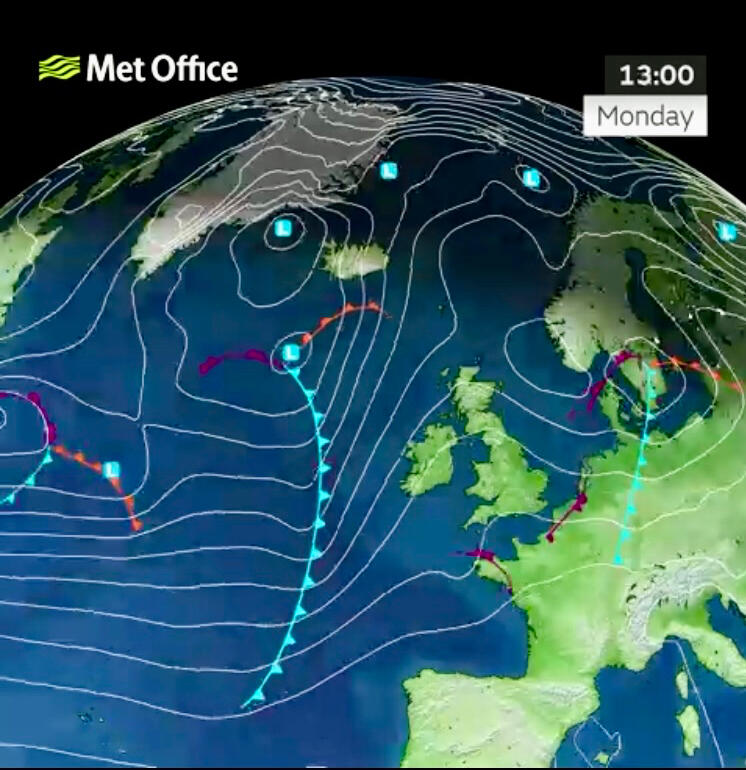
• MetOffice seems more reliable than BBC.
• Some people like XC Weather, some like Windy.Will the Weather Change?
• Fronts and thermal breezes (sea breeze) can affect the wind and weather.
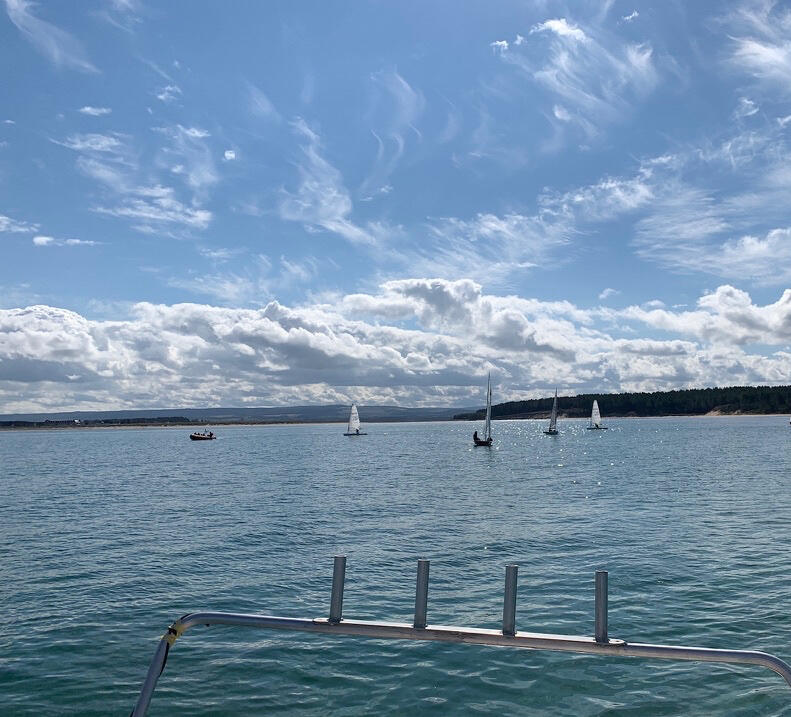
Warm Fronts
Warm fronts are characterised by slow appearance of stratus (layers of cloud)) sloping towards the horizon.
• The first sign is wispy Cirrus high in the sky.
• Next is Altostratus obscuring the sun.
• Lastly rain falls from grey Nimbostratus.
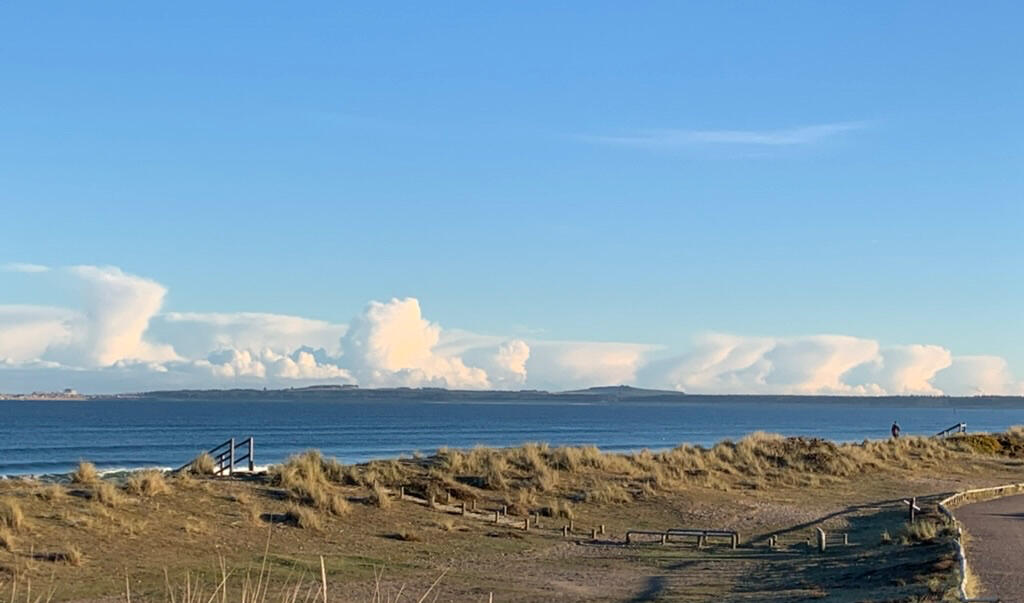
Cold Fronts
Cold fronts are characterised by narrow lines of fast moving towering cumulus (lumps).
• Clouds grow in height.
• Squalls and heavy bursts of rain follow.Sea Breezes
Sea breezes occur when the land is warmer than the sea.
• The breeze builds and then starts to progressively shift, following the sun, till it is blowing parallel to the shore.
• Right side of the beat pays
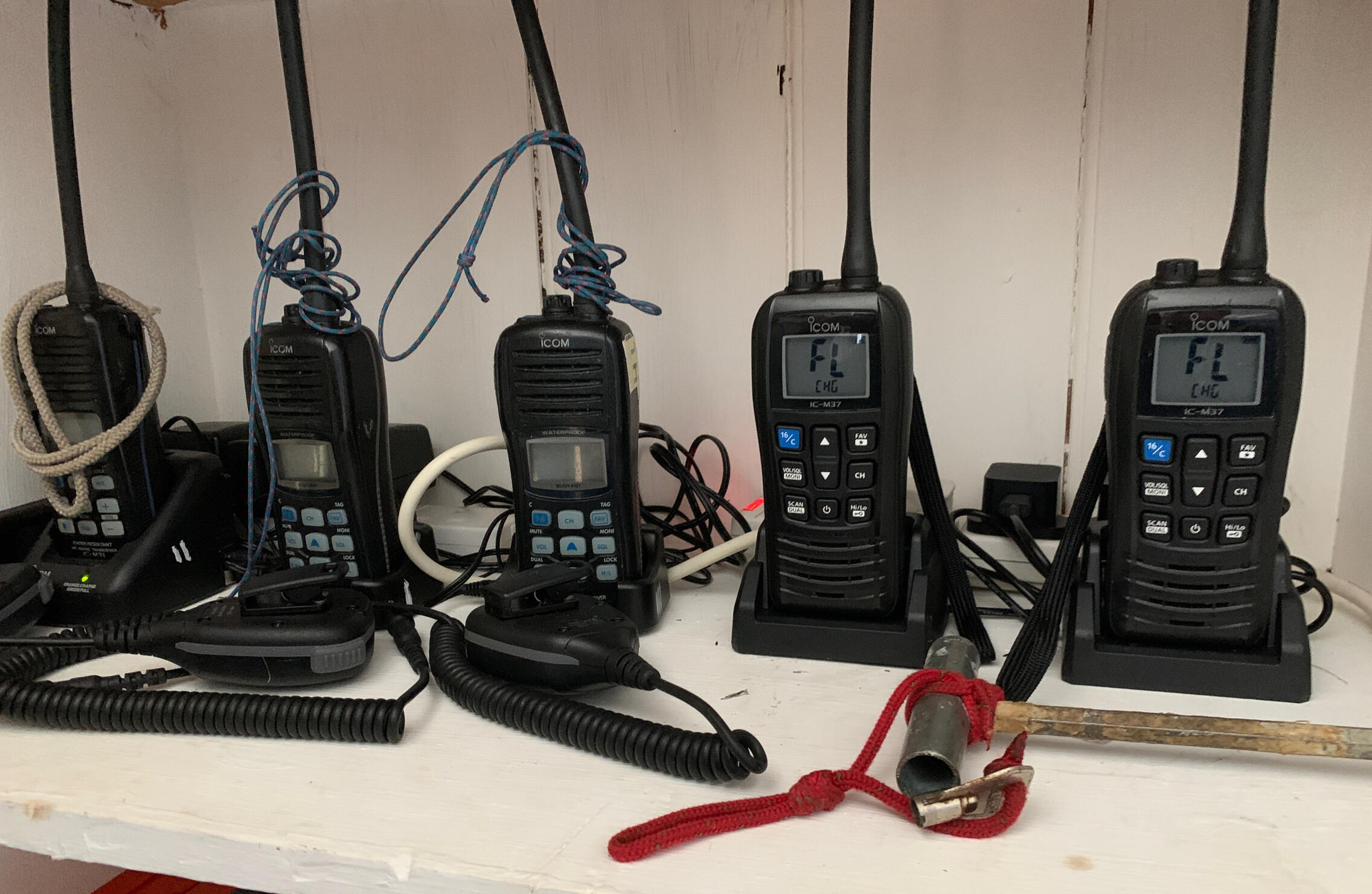
The VHF radios are kept in their chargers in a cupboard in the Training Room.
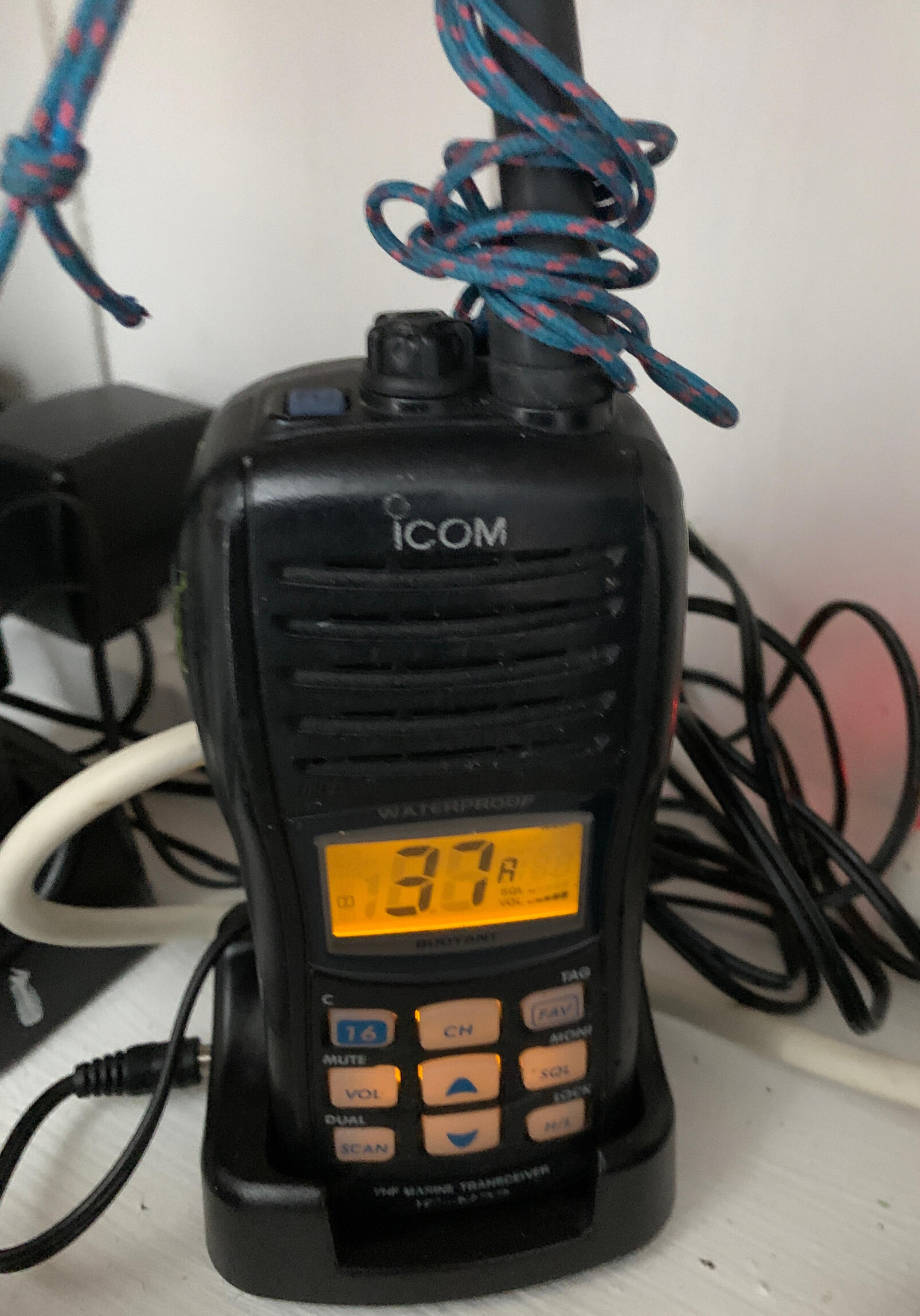
The Club operates on Channel 37.
• Committee Boat and Safety Boats should have a radio with them.
• Check they work before you depart.If you need to contact the Coastguard, unless you have been trained in using the radio, use your mobile phone.
• Dial 999 and ask for Coastguard.
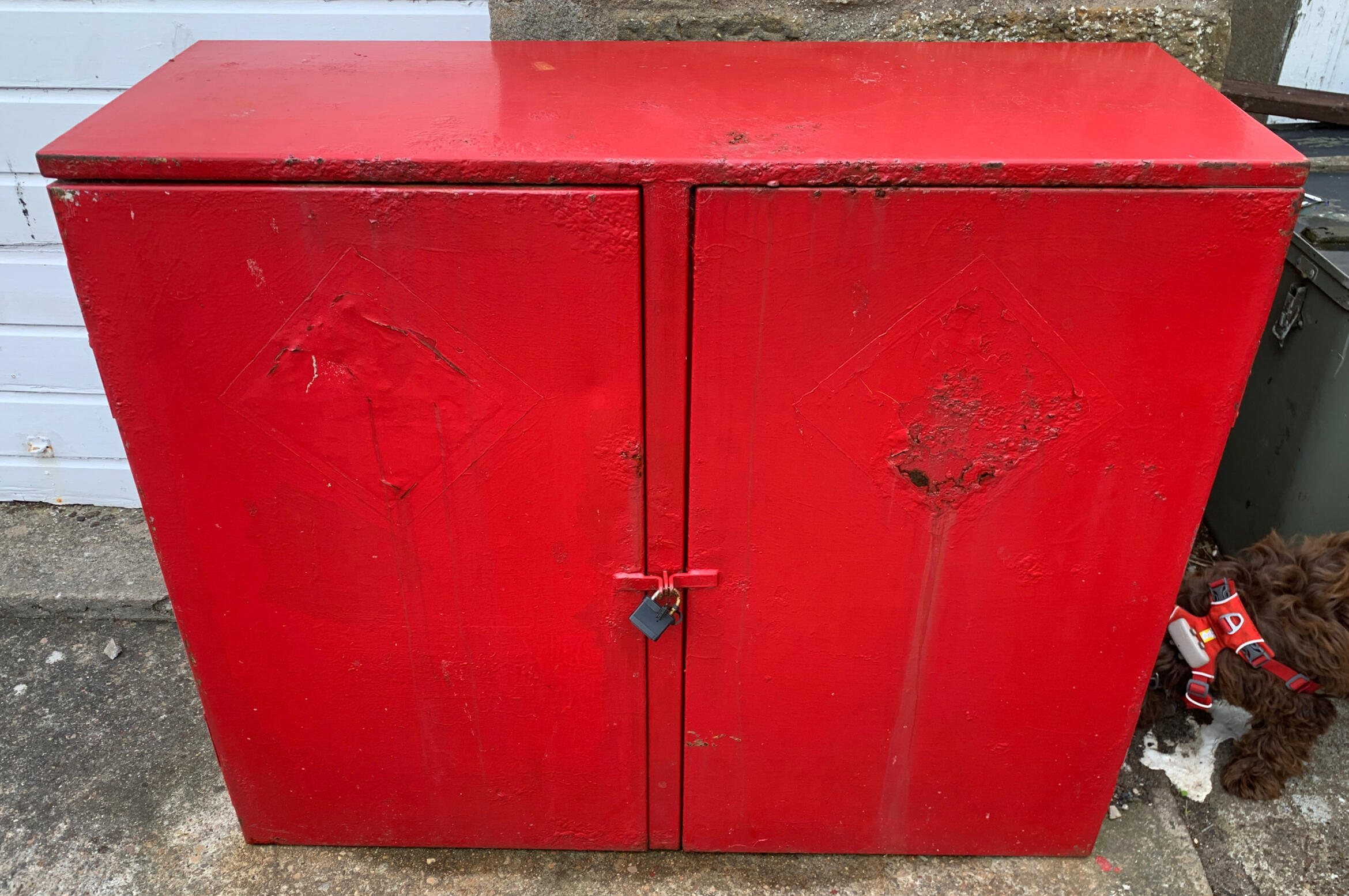
It is important to know you have enough fuel on board.
The Kill Cord
Stops the engine if a driver moves from their normal operating position.
• Proper use prevents serious incidents and fatalities.
• A second kill cord should be onboard in case the driver falls overboard with their cord.
Attaching The Kill Cord –
• Quick-release fitting to the console.
• Clip around the driver’s leg and back onto itself.Use A The Kill Cord –
Whenever the engine is running.
• If you need to leave the command position always turn the engine off.
• If you need to change driver always turn the engine off.
• Only restart the engine when the kill cord has been re-secured to the (new) driver.
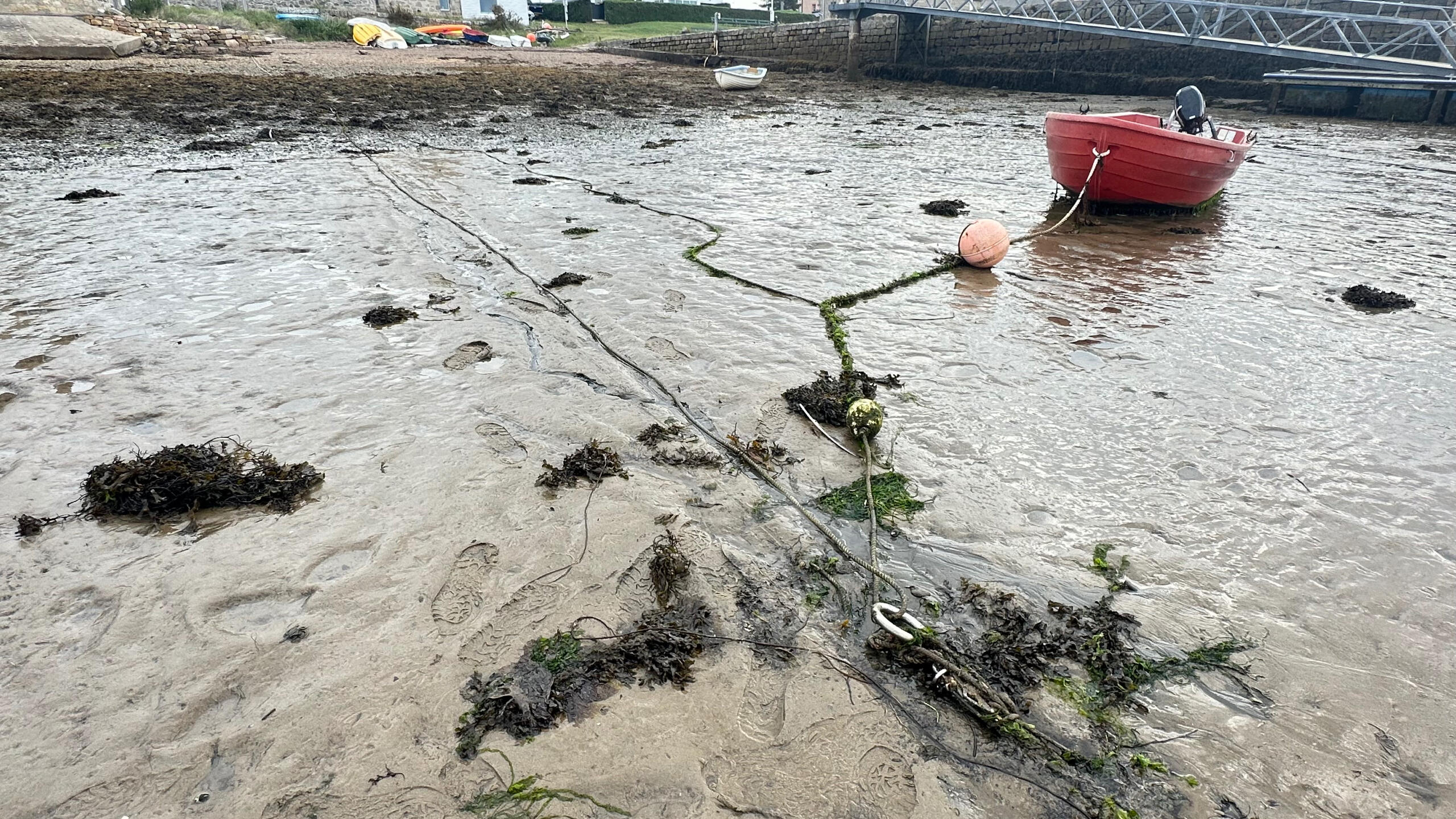
The punt is moored on a trip line in front of the Club House.
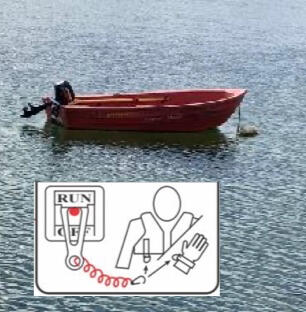
1. Engine only needs a Kill Cord to start
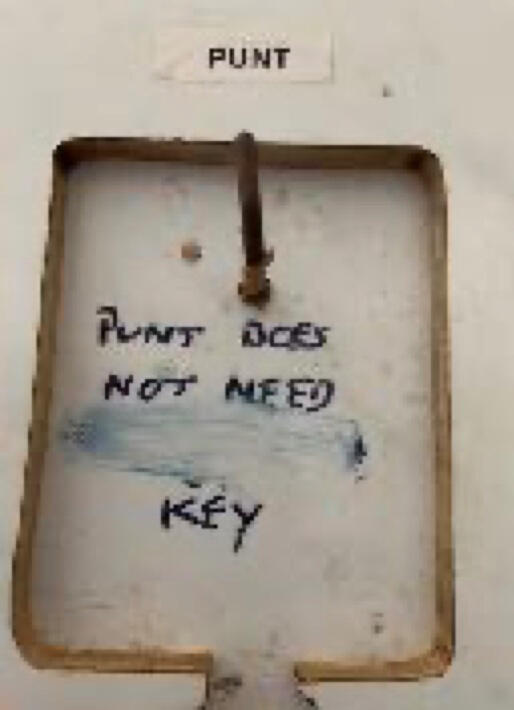
2. There is no key
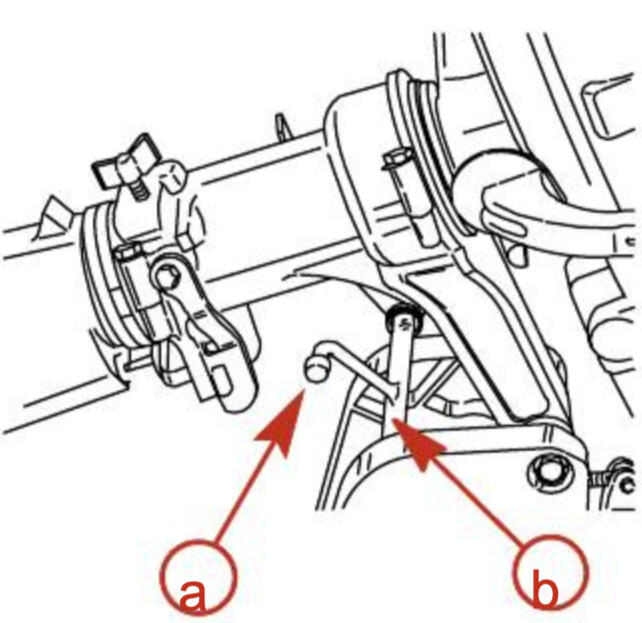
3. Lower engine by tilting (b) outboard up and pulling up on tilt release lever (a)
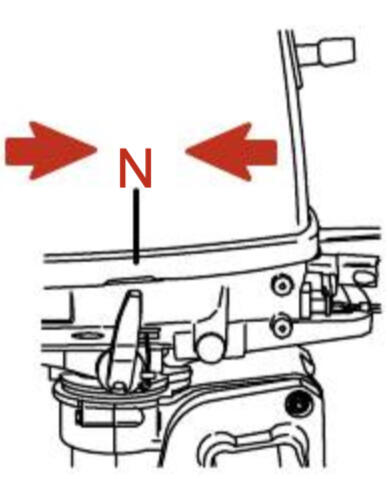
4. Put gear in Neutral
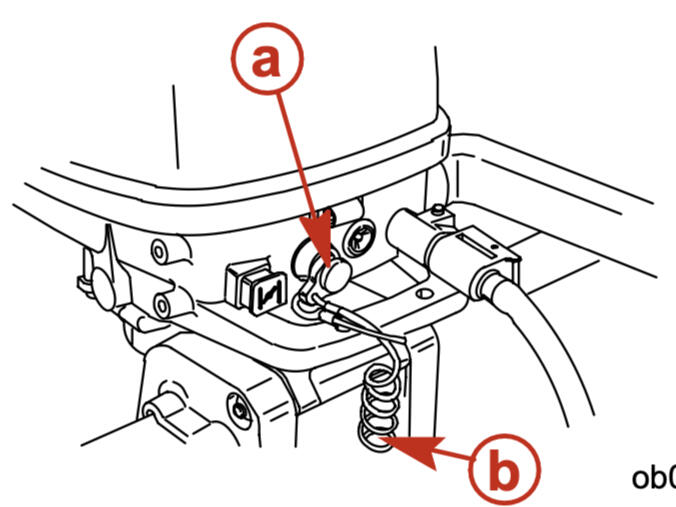
5. Attach the kill cord to the engine stop switch (a). Ensure the lanyard (b) is looped around your leg and clipped back on to itself
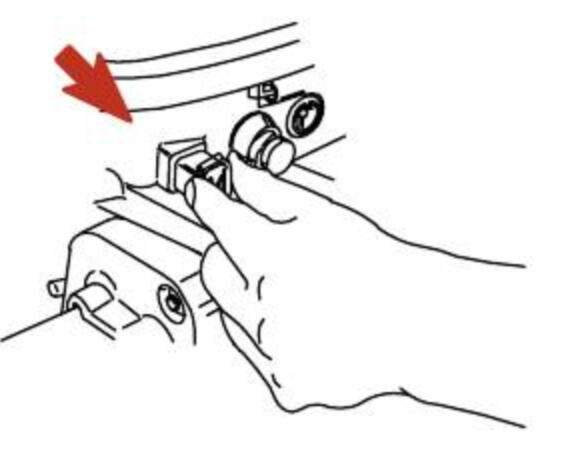
6. Pull out choke
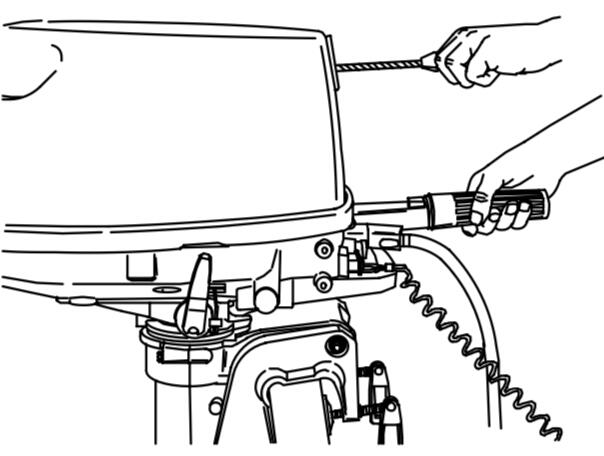
7. Pull the starter rope slowly to engage engine.
Then pull rapidly to crank engine.
Return rope slowly.
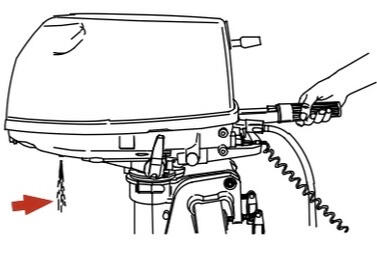
8. Check water is spouting from the engine- turn off if not.
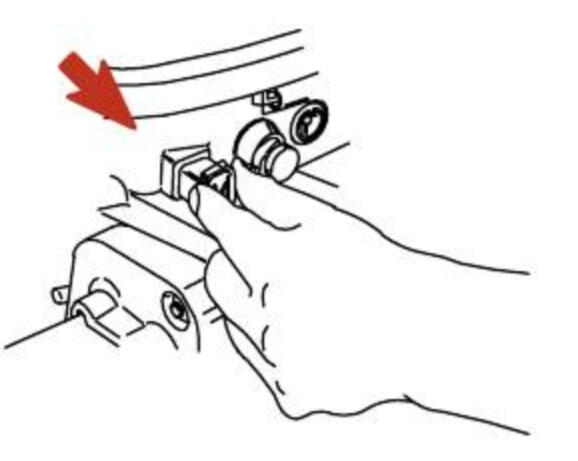
9. Push choke 1/2 in as engine warms, then fully in.
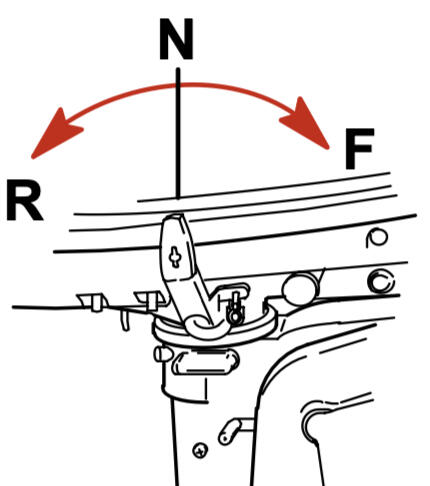
10. Use side handle to change gear
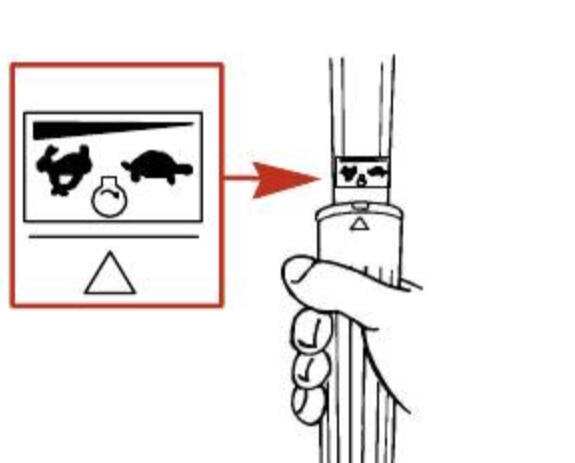
11. Use throttle gently
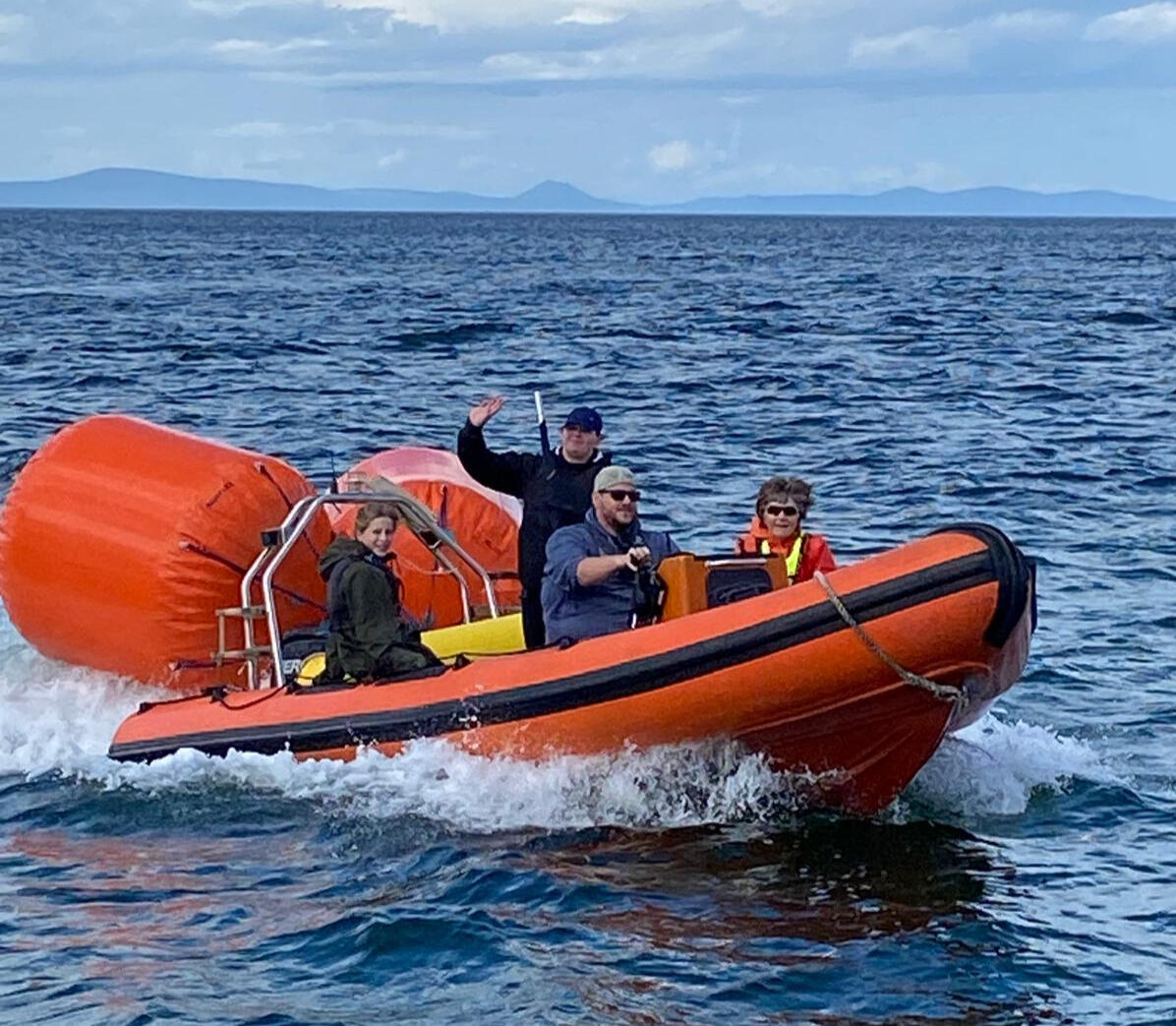
Make sure you have everything with you in the Safety Boat to support the race, including –
• VHF radio
• Mobile phone
• Binoculars
• Stop WatchYou may be asked to take extra Marks to lay
• Make sure you take tackle for the Mark tooYou may be asked to help the Race
Officer at the Start
•Take the Individual Recall FlagDon't forget about yourself –
• Buoyancy Aid
• Warm Clothes
• Food and DrinkUse the Punt to get to the Safety Boats and bring them, from their moorings, to the pontoon.Leave the Punt moored to the pontoon for the duration of any activity requiring the Safety Boats or the Committee Boat.
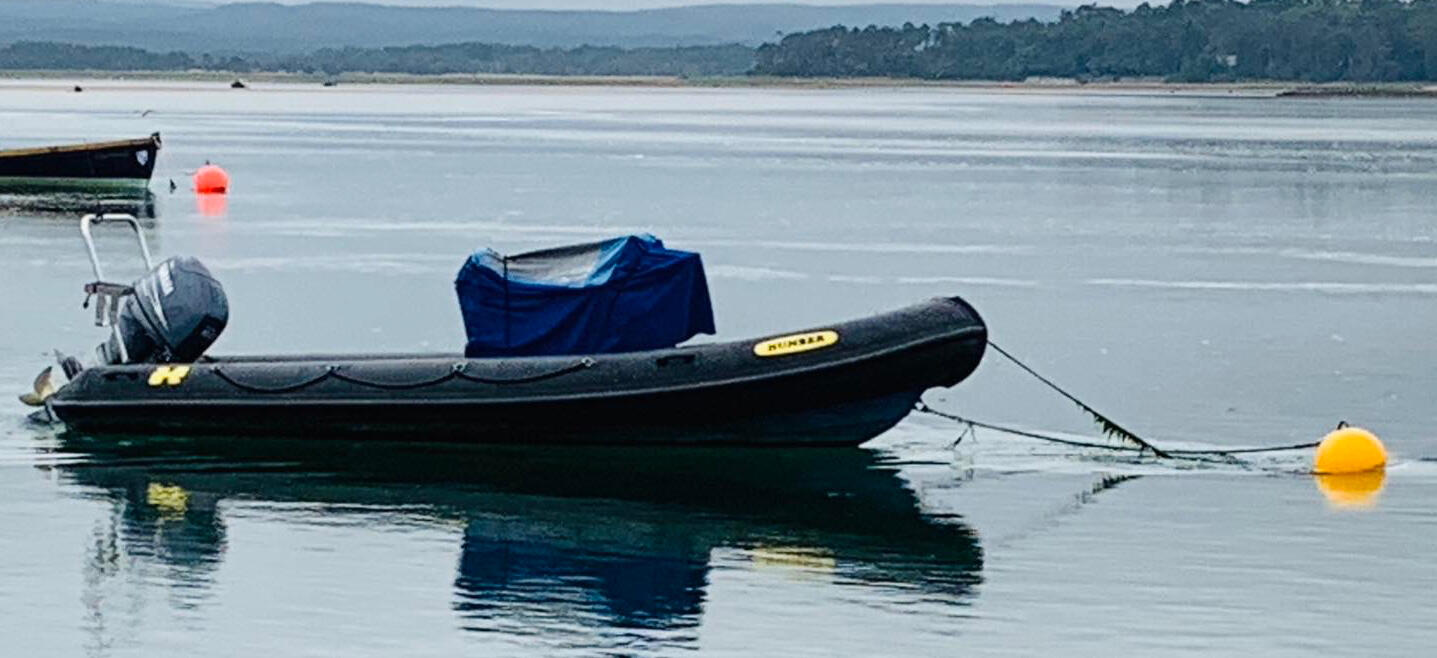
The black Humber is the main safety boat for club racingIt has a has a battery isolator to prevent the battery running down, when the Humber is not in use.
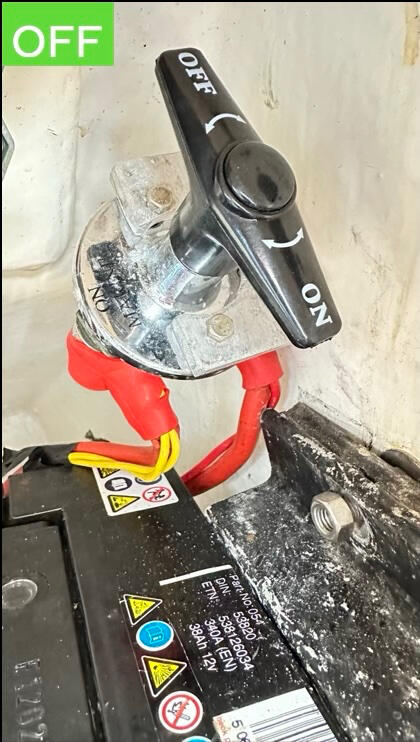
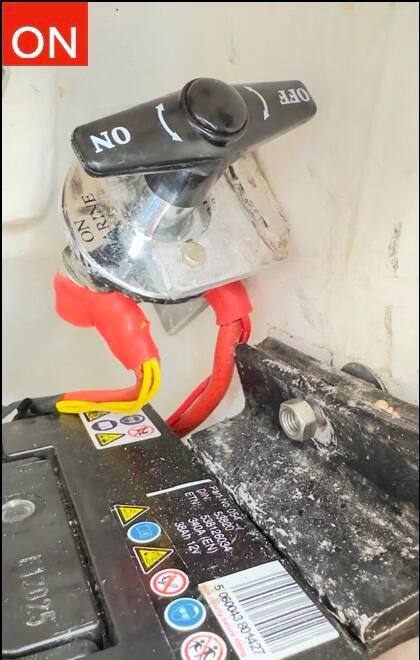
For the ignition to work, the battery isolator must be turned off.
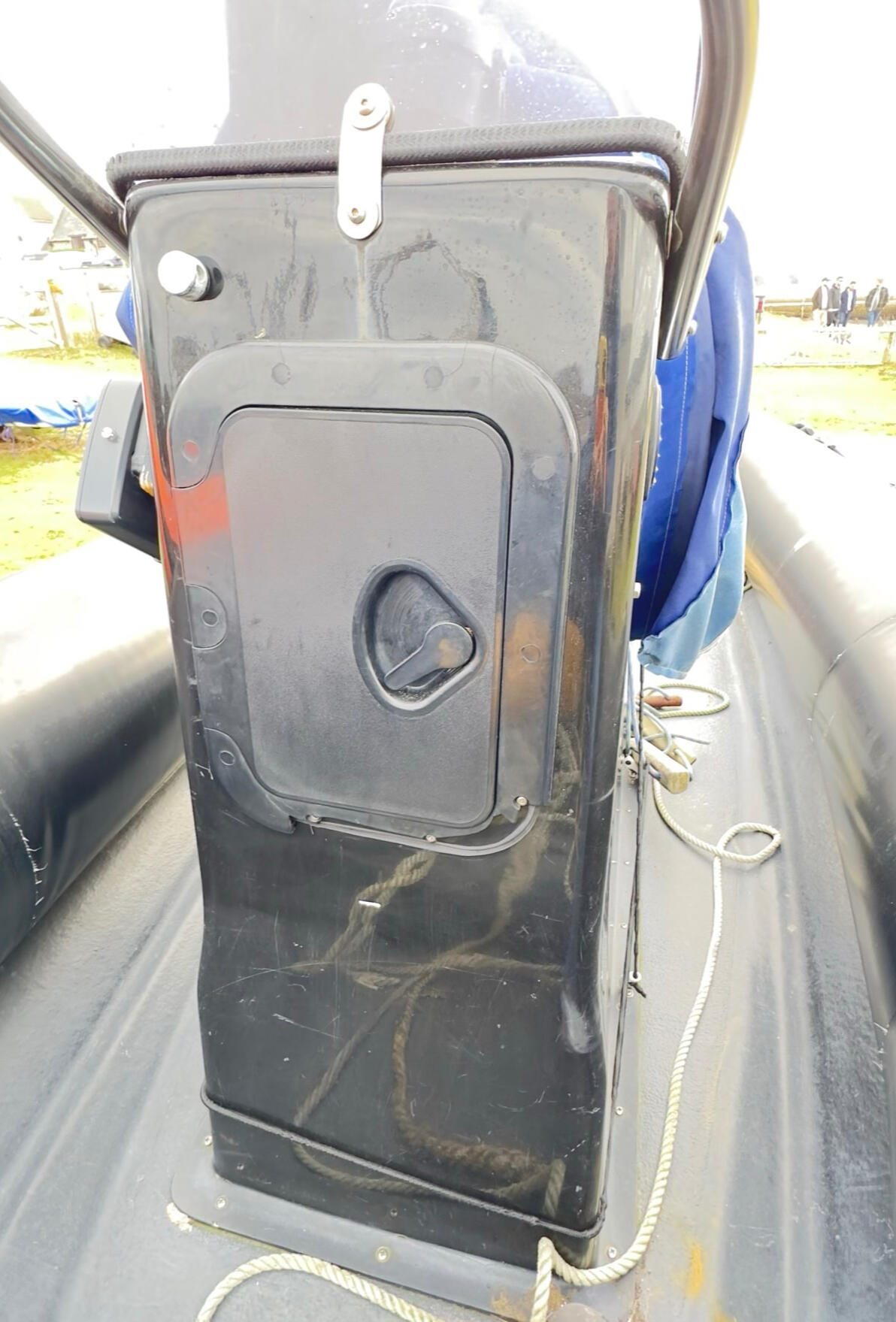
The isolator is behind the panel at the front of the console.
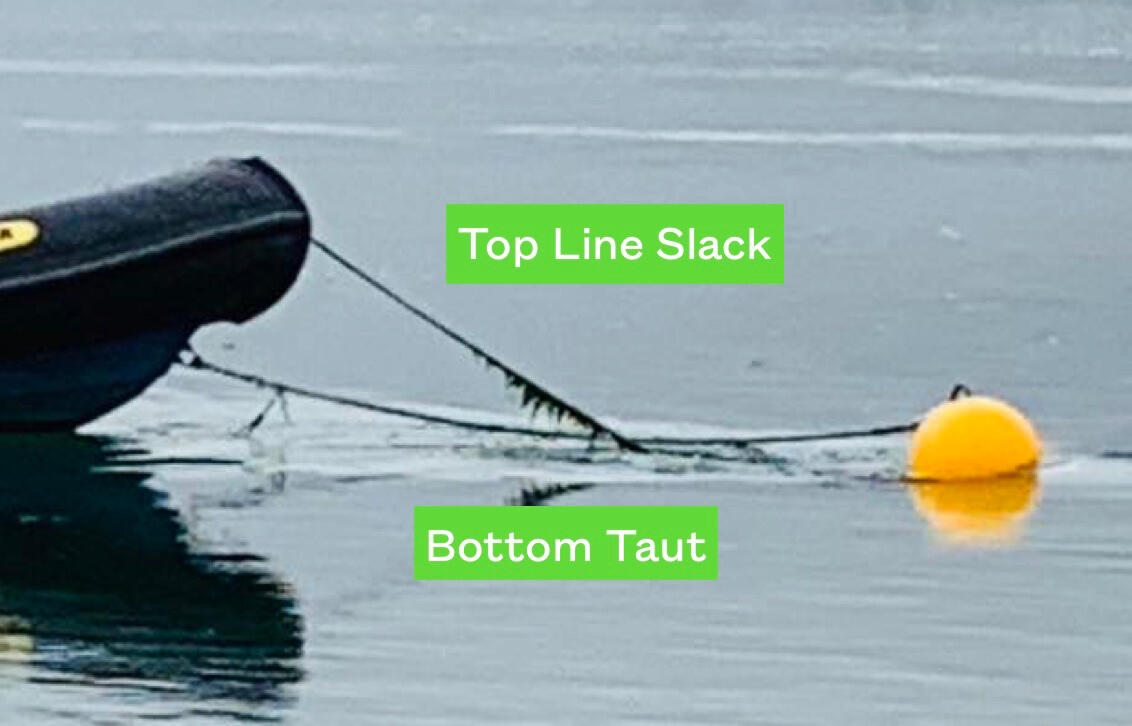
When leaving the Safety Boats on their moorings, make sure the bottom line attached to front of the rigid hull is taking the strain.
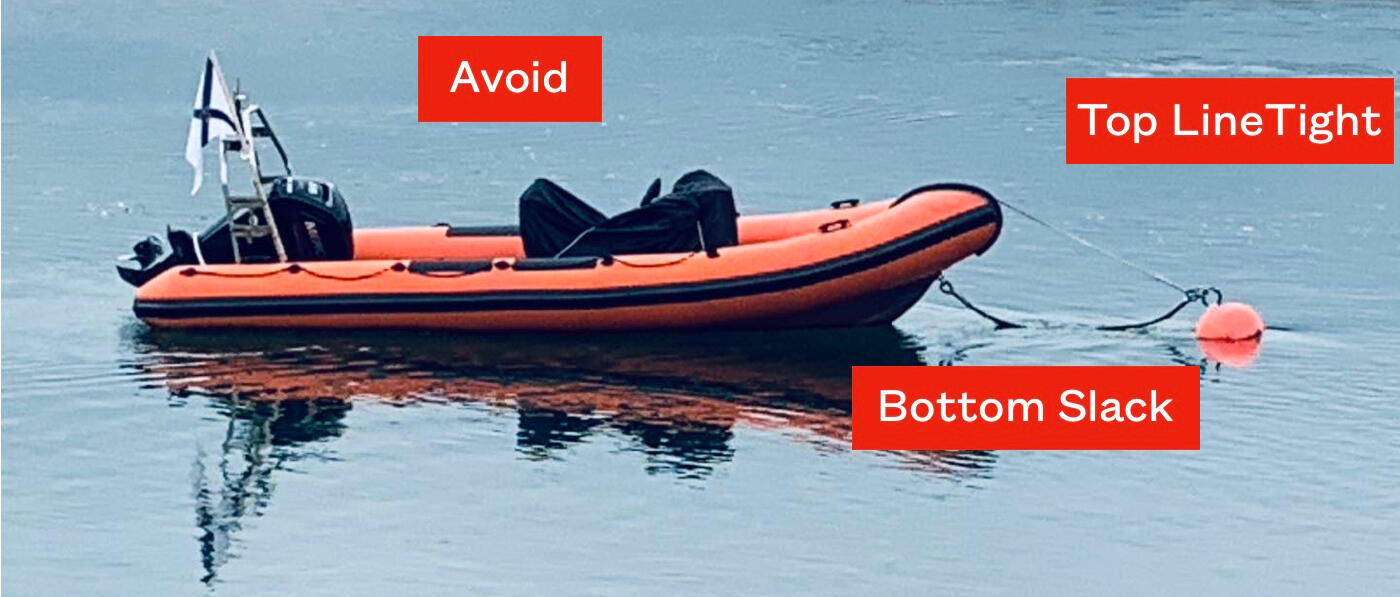
The top line over the inflated part of the boat (sponson) is a back up line – the sponson is not designed to take the strain.
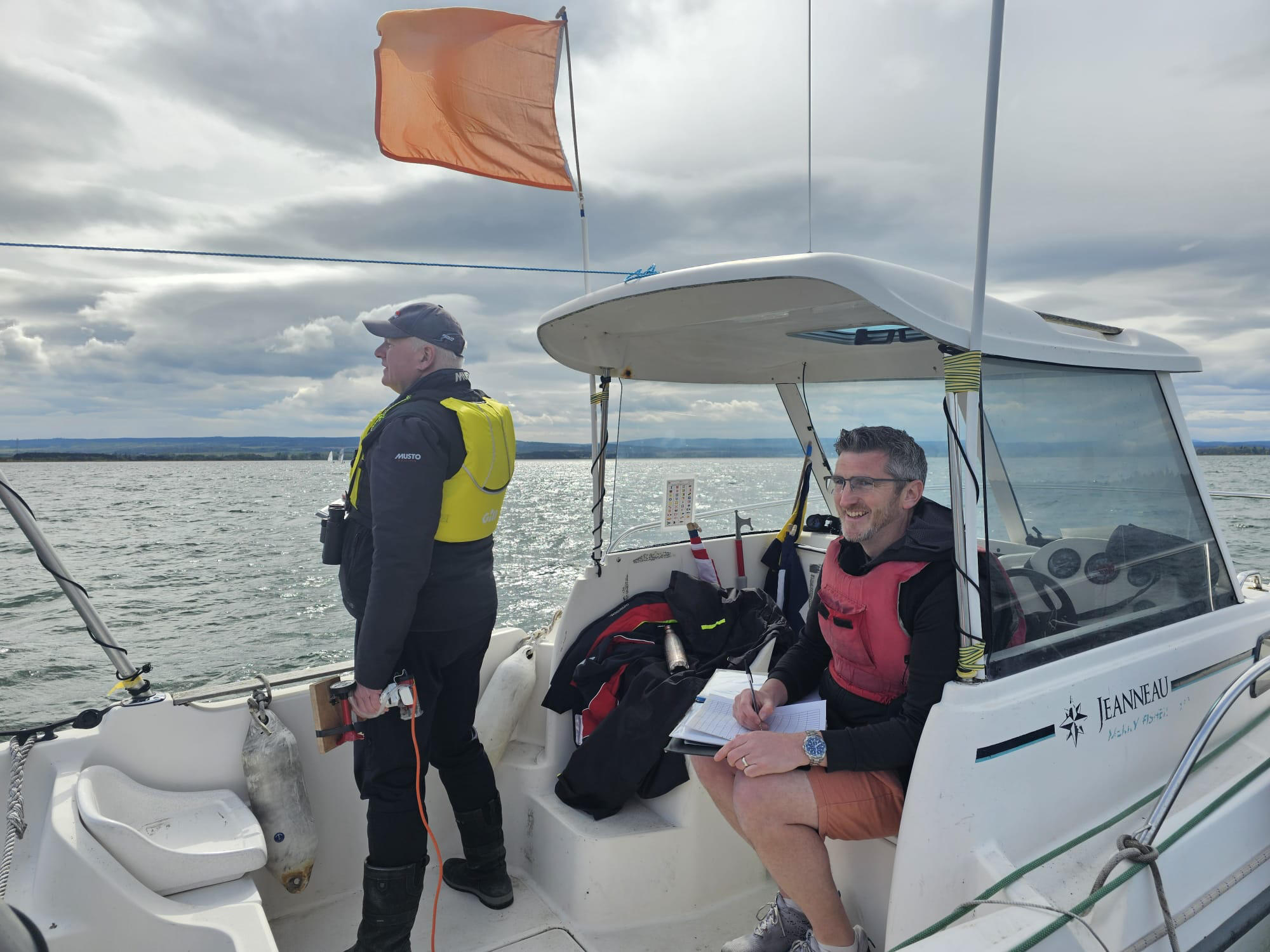
Make sure you have everything with you in the Committee Boat to run a race, including:
• VHF radio
• Mobile phone
• Binoculars
• Sailing Instructions
• Stop Watch
• Results Sheet
• Black board and ChalK
Horn
• Orange Start Flag
• Preparatory Flag
• Class Flag
• AP Flag
• Individual Recall Flag
• General Recall Flag
• Shorten Course FlagDon't forget about yourself –
• Buoyancy Aid
• Warm Clothes
• Food and Drink
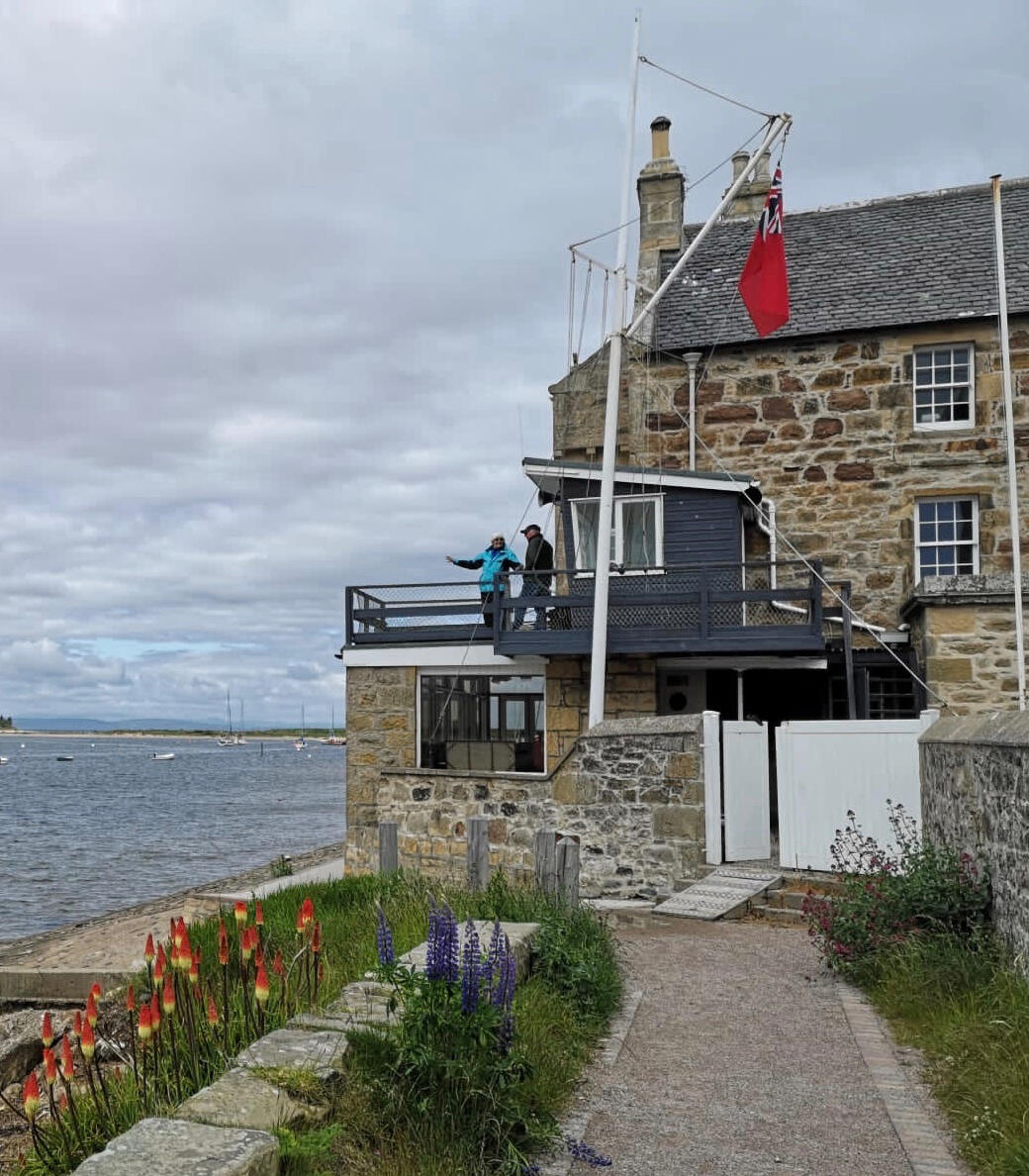
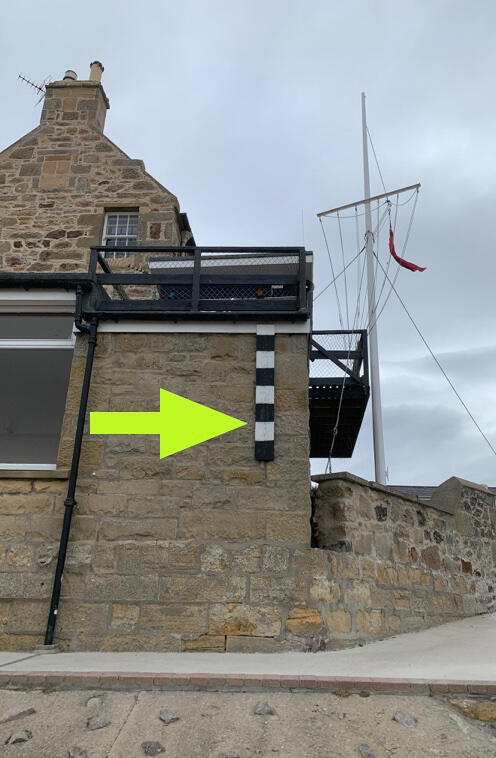
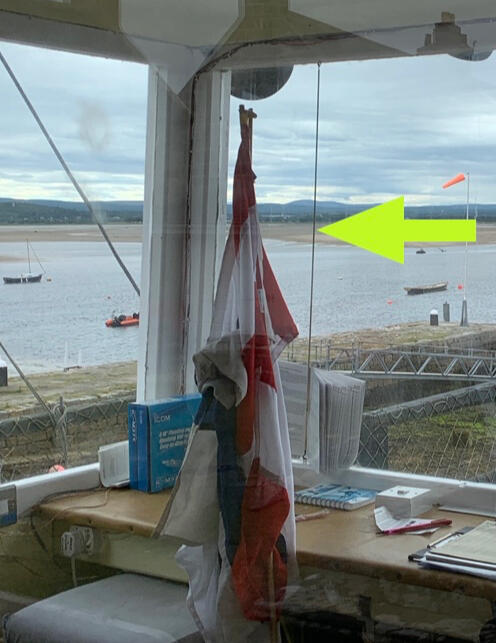
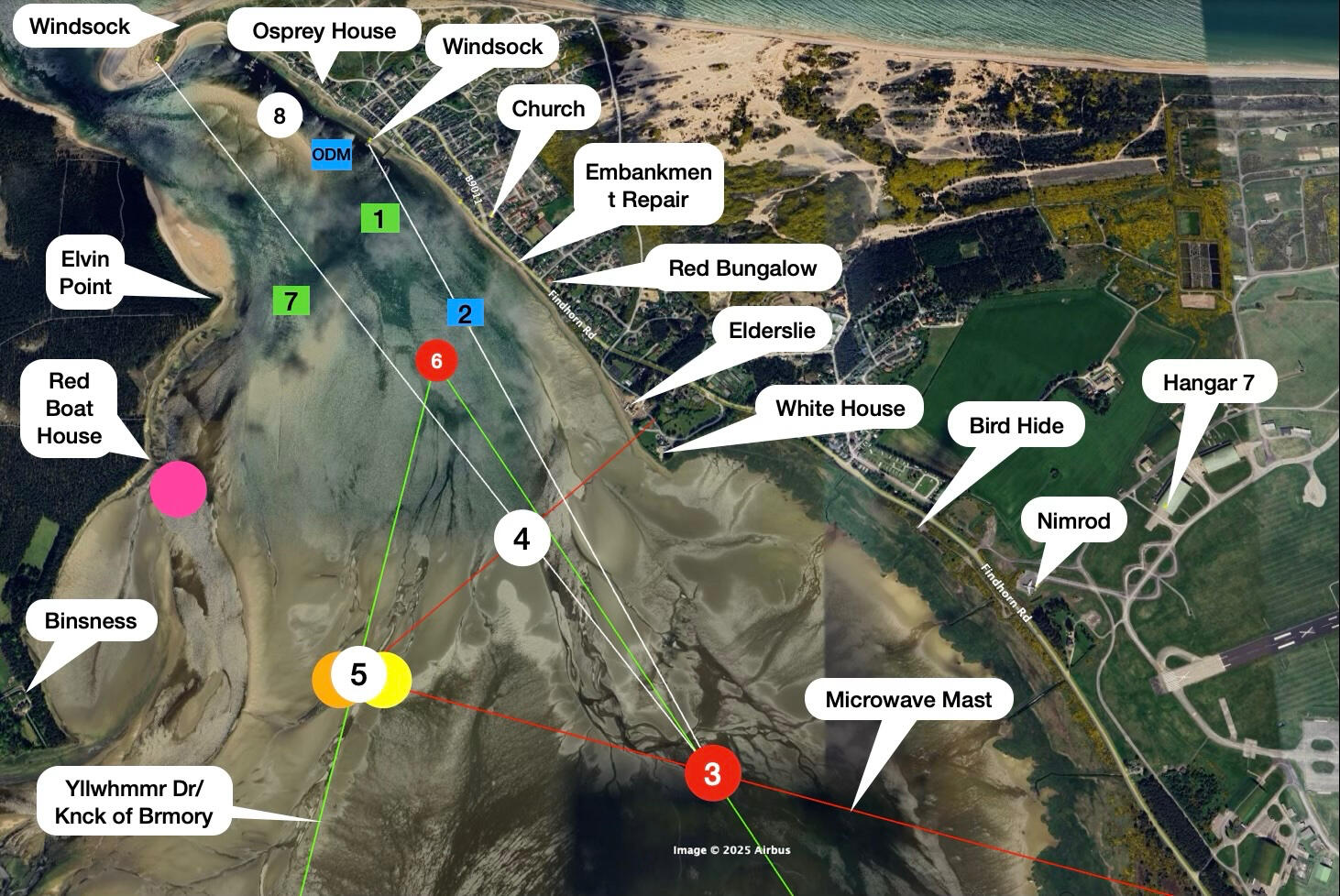
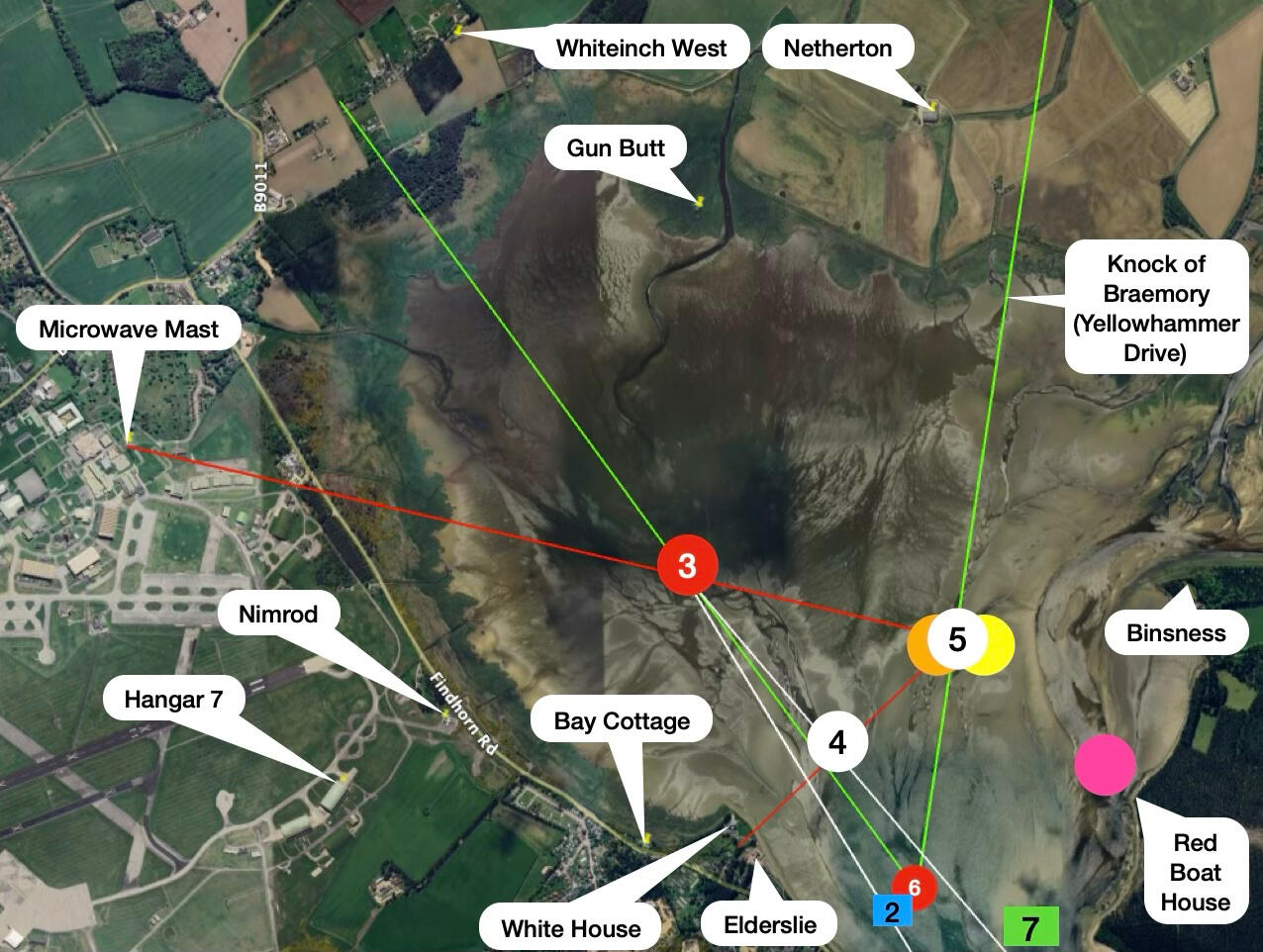
A Race Box start is occasionally used for races. It is difficult to create a windward leg from a Race Box start line.The onshore end of a Race Box start is the Indicator Board on the wall (and not the Flag Pole). There is a sight line in the Race Box window corresponding to the Indicator Board positioned below.A blue mark constitutes the offshore end of a Race Box start line.
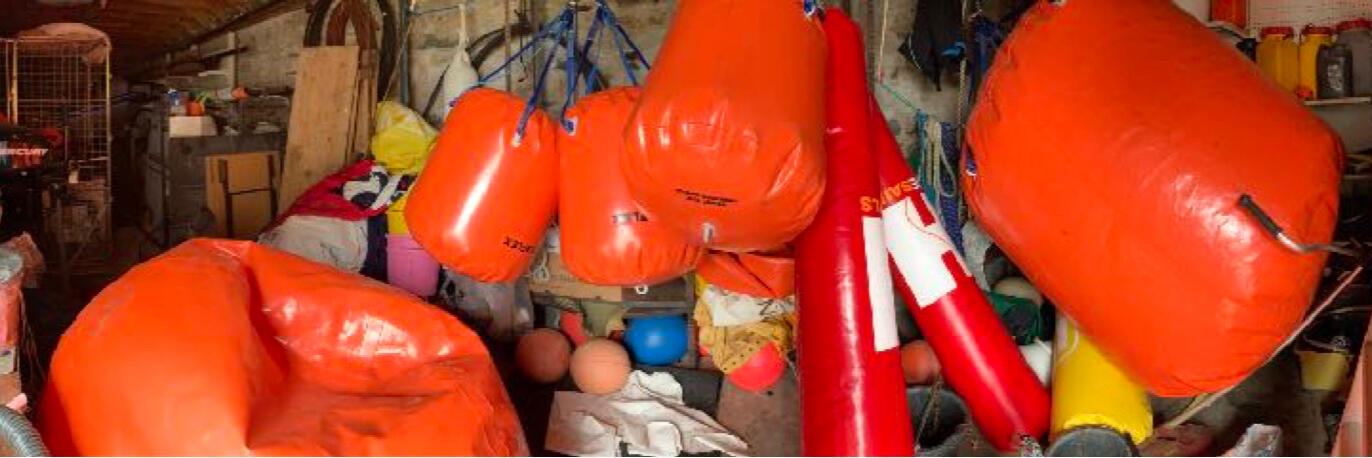
If you are laying extra marks, there is a large variety to choose from.You will always have to take a buoy to mark the Pin End of a committee boat start/finish line.Discuss with the Race Officer which marks and which tackle to take.
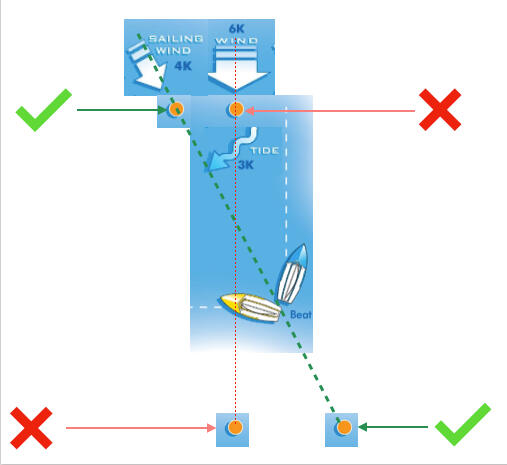
Findhorn Bay experiences strong currents.
• If the current is flowing at an angle to the True Wind direction, the direction of the Sailing Wind, as experienced by a boat sailing or drifting, will be shifted by the current.• The stronger the current and/or the lighter the wind, the greater the shift.To assess the direction of the Sailing Wind:
• Ask a competitor to sail to windward close to the Committee Boat.
• Or ask the Safety Boat to drift with the engine idle, and check the direction of the wind.
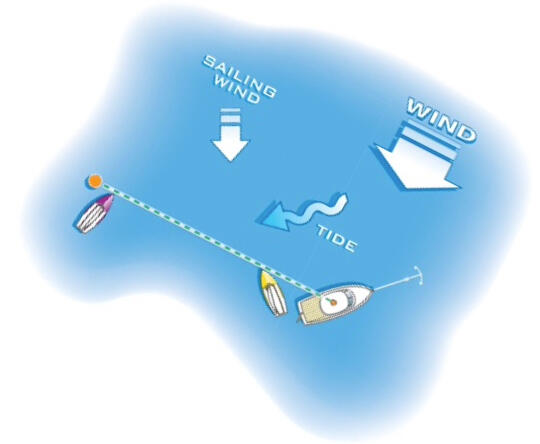
A safe Start Line has minimal bias:
• Classically, start lines have a slight Pin End -Bias.
• This encourages boats to use the entire line and it protects the the Committee Boat, and starters, from damage due to crowding at the Committee Boat end.Observe a competitor practicing starts –
• Move the line if there is significant bias.
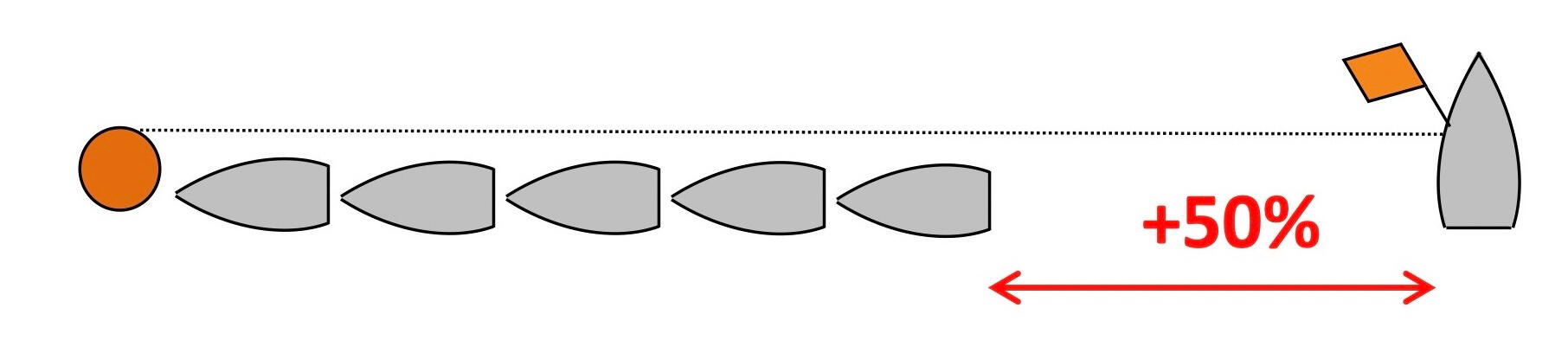
A good start has enough space for all participants.• 1.5 X the combined length of all the boat lengths.
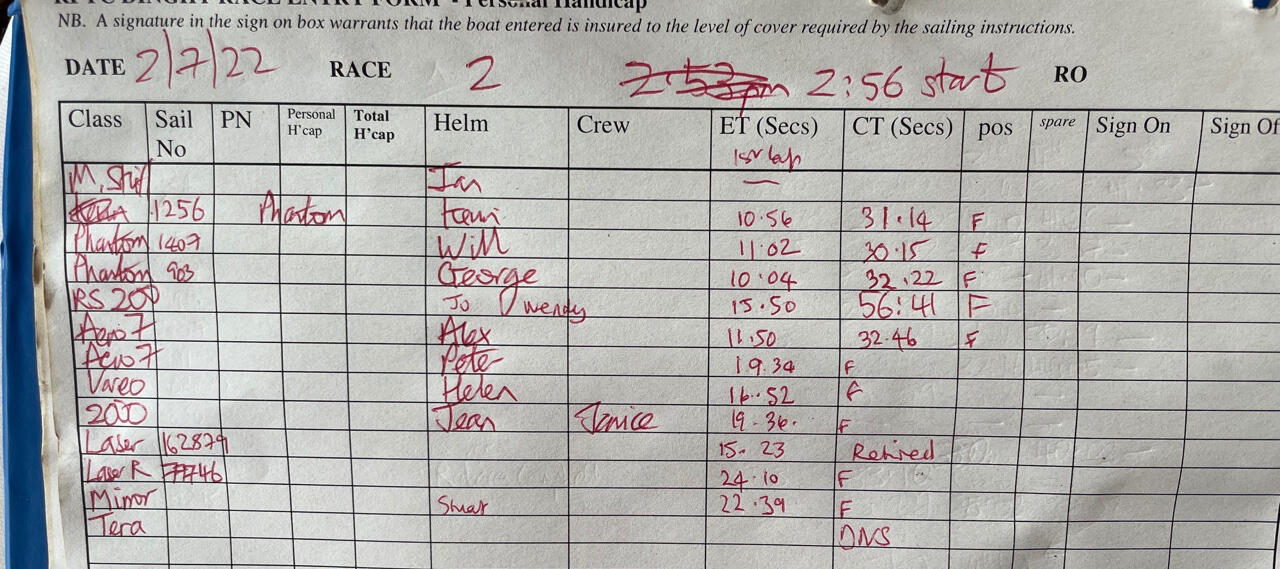
Record the time of the start of the race using a clock rather than a stop watch.Record the time every boat crosses the finish line for every lap.
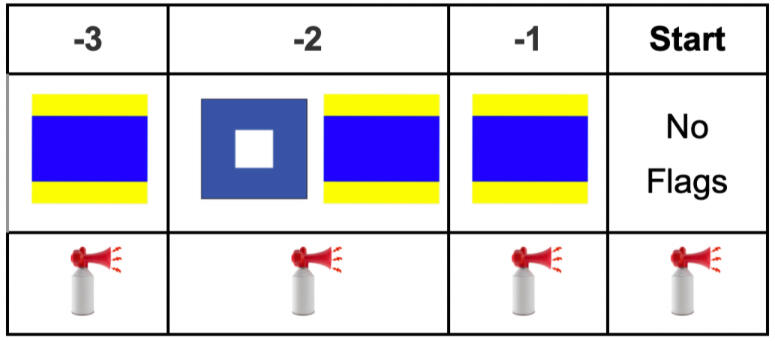
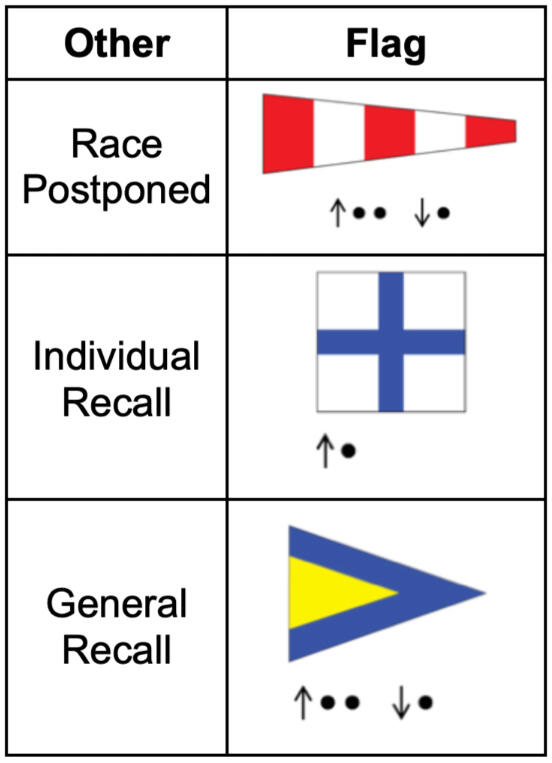
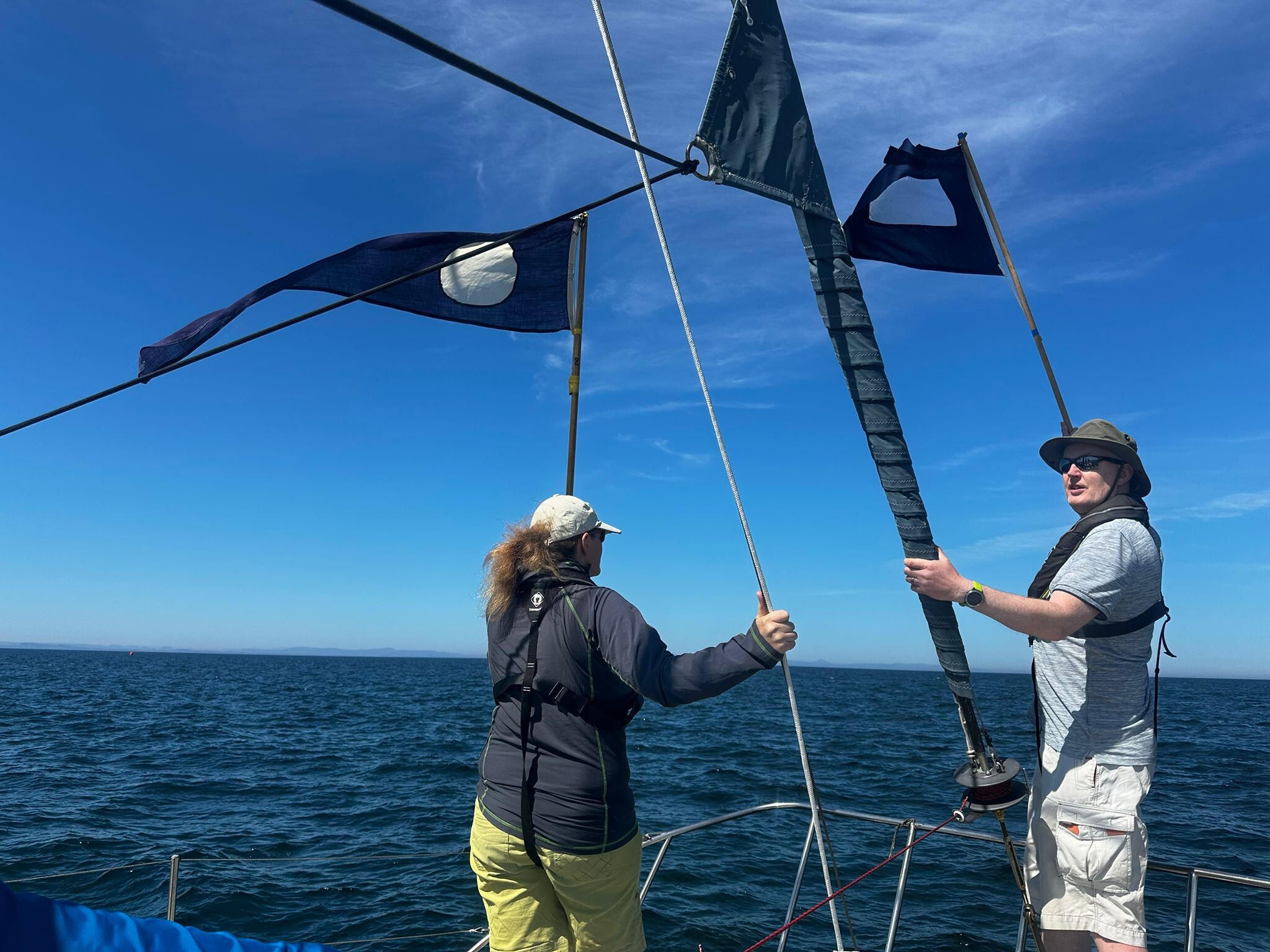
The AP (red/white stripes) flag is the Race Officer's friend:
• Start going wrong?
• You can fly the AP flag till the moment the race starts.
• Start again.
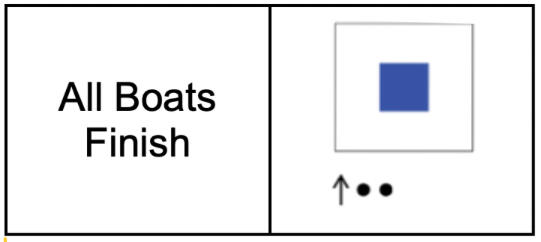
• To finish the race for all boats, fly Flag S.
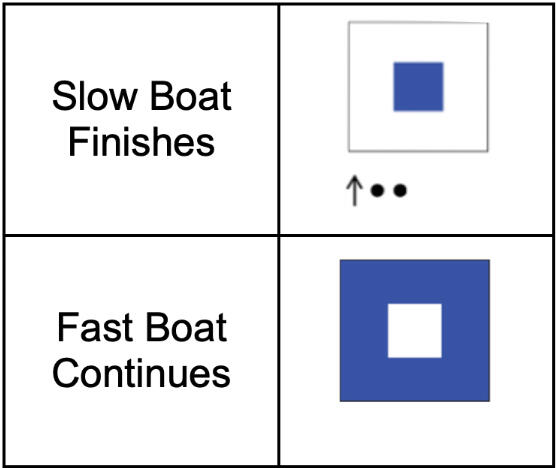
To finish the race for a slow boat class but let a following fast boat class have another lap:
• Fly both Flag P and Flag S.
• Following boats crossing finish line, finish if sound made, otherwise continue.
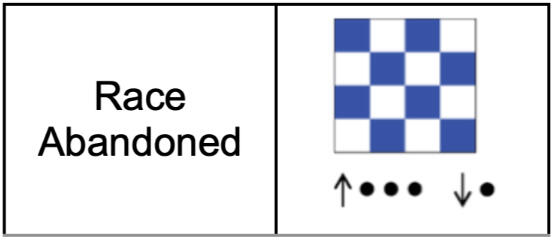
To abandon the race:
• Fly Flag N.
• Competitors return to starting area.
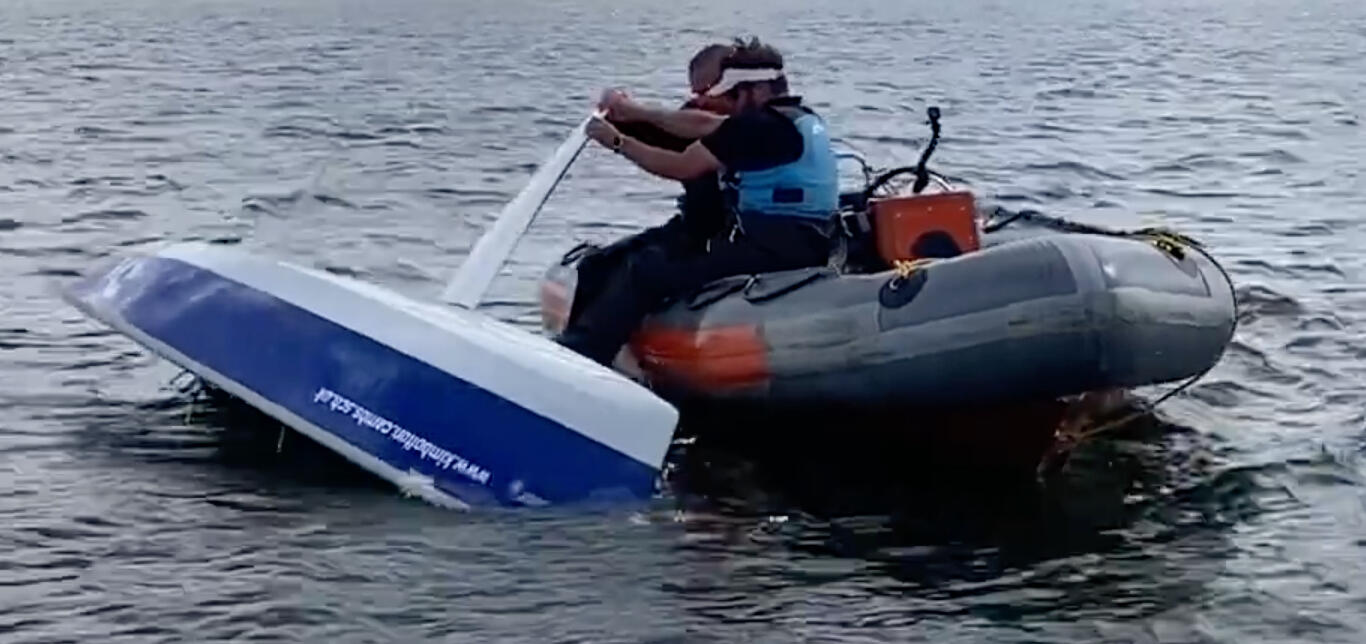
If crew are trapped under the boat, * THE SAFETY BOAT MUST RIGHT THE BOAT**
5 Stages Of A Rescue:
1. Swift Response
2. Count Heads
3. Right the Boat
4. Free the Sailor
5. Rescue the Sailors
Prevention is important.